We keep the “best” image and forget the rest, but sometimes the rejected photograph carries the story that perfection leaves out.
We make more photographs than ever before, often taking several frames of a passing moment and deciding within seconds which one deserves to stay. The sharpest image gets edited and shared, while the awkward frame is buried among thousands of files until it slowly disappears inside an archive that has become too large to revisit.
This is how many photographs are forgotten, but because they did not look good enough at first.
When “Perfect” Becomes the Only Standard
We often judge a photograph before we have time to understand it, quickly moving to the next image when the focus is slightly off or the framing feels unusual. The decision feels practical when so many photographs are waiting for our attention, but this habit can slowly narrow the way we see our own work.
When we keep only the images that match what we already believe a good photograph should look like, everything else is treated as a mistake. Technical quality and meaning, however, are not always the same thing; a polished image may be easy to admire, while an imperfect one may preserve a feeling that cannot be repeated.
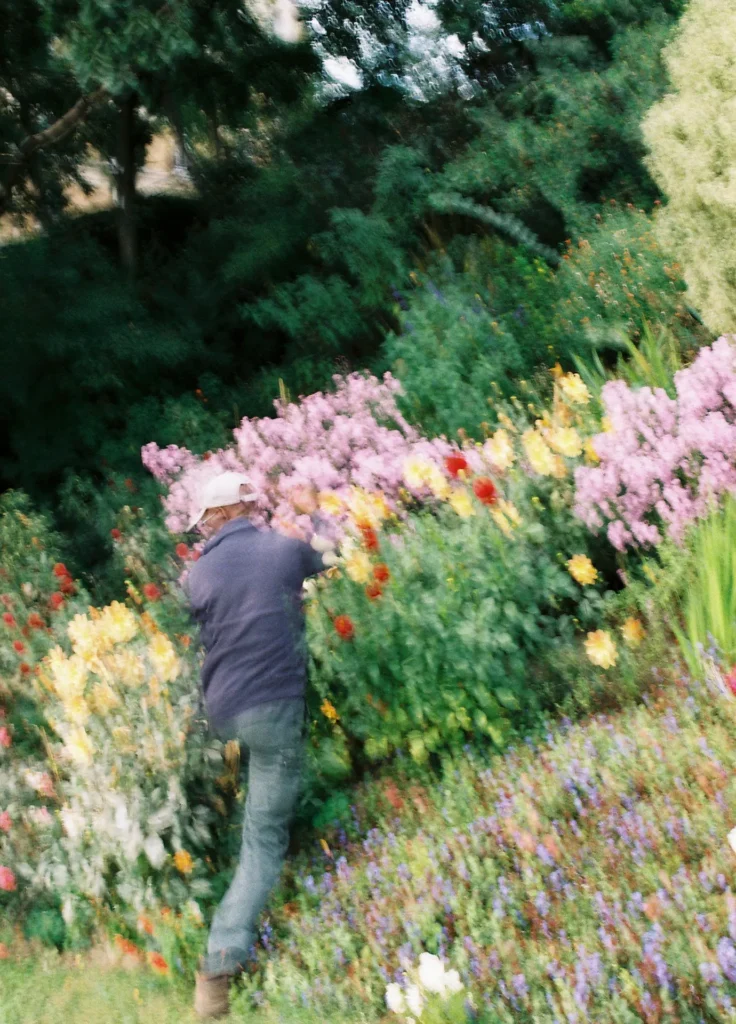
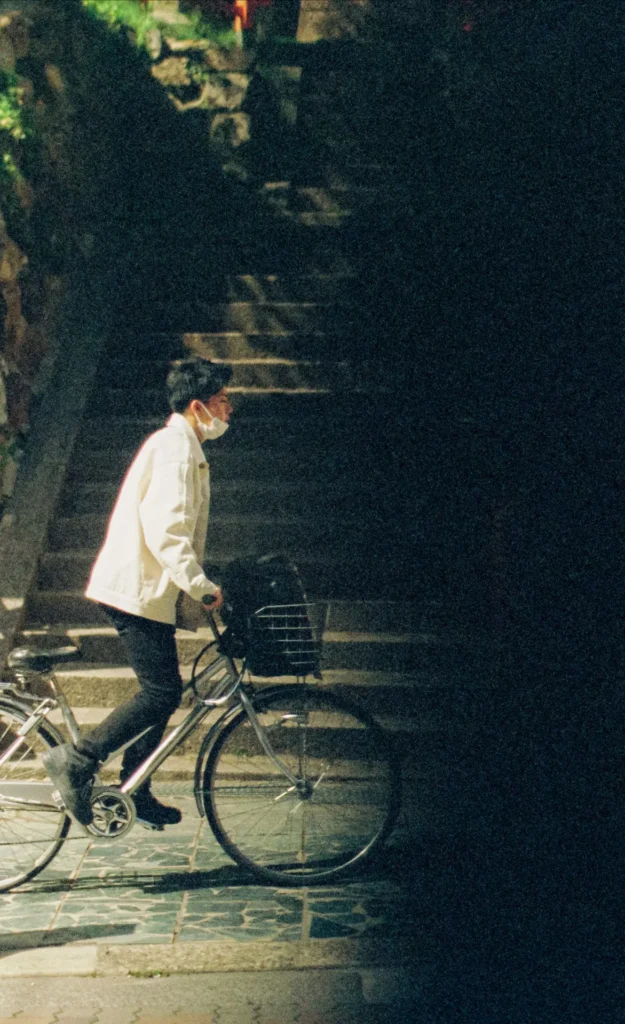
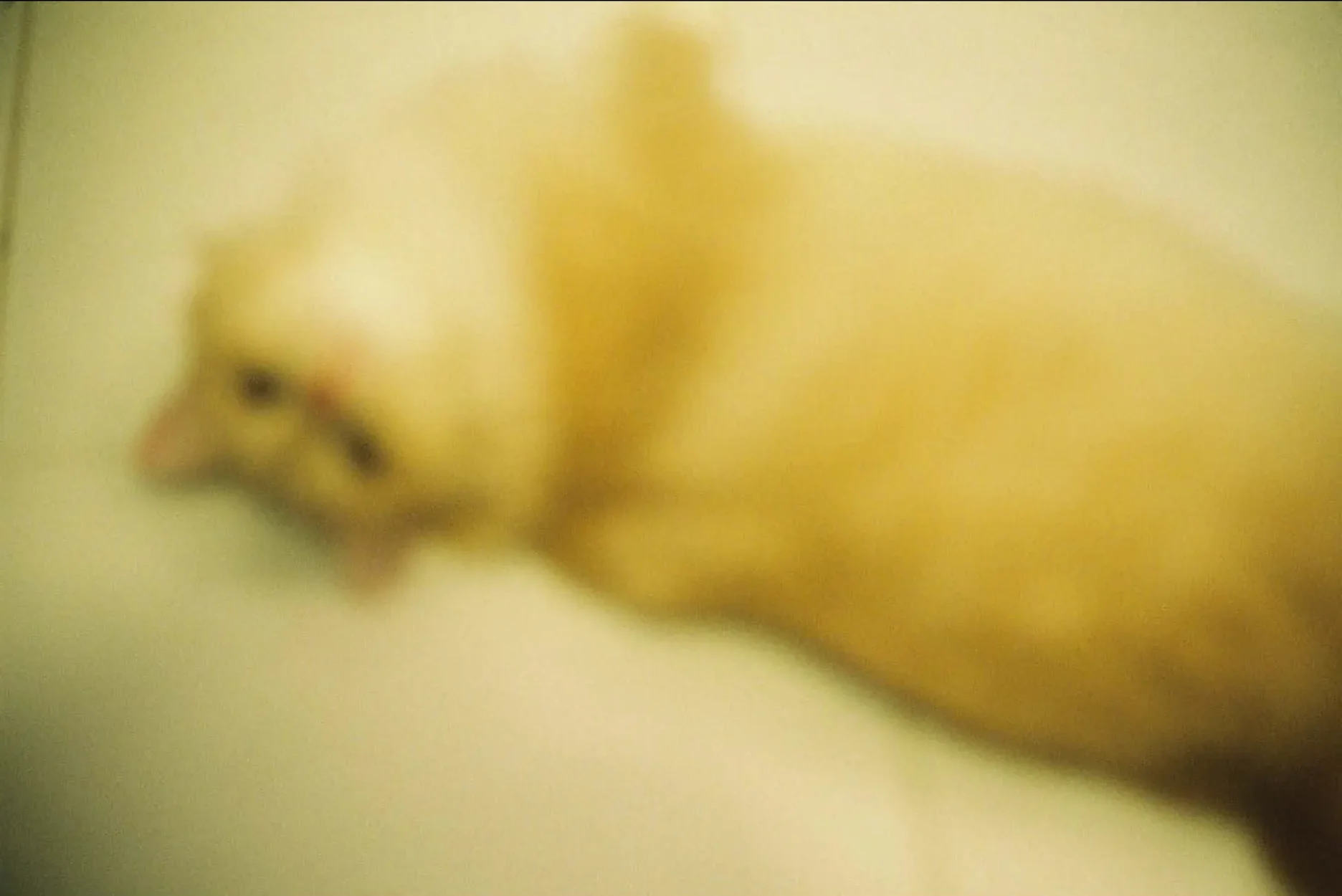
An image may be blurred because the subject moved too quickly, or unevenly framed because the photographer was responding to something before it disappeared. Instead of weakening the photograph, these imperfections can become evidence of what it felt like to be inside the moment, giving the image a sense of life that a more controlled frame might lose.
The Pictures That Survive the Selection
The term survivorship bias describes what happens when we focus only on what passed a selection and forget everything that did not. In photography, we usually see the final image without the failed attempts around it, which can create the false impression that strong photographs appear fully formed while uncertainty and accidents remain hidden.
The same thing happens inside our own archive when we return only to the images we once selected. By doing so, we allow an earlier version of ourselves to decide what will always matter, without discovering whether the photographs we rejected have gained meaning over time or whether we have changed enough to see them differently.
Imperfection Is Not the Opposite of Value

The Japanese idea of wabi-sabi offers another way to look at imperfection by asking us to notice how age, change, and incompleteness can leave meaning behind instead of treating them only as defects to hide.

The same thought appears in John Ruskin’s The Stones of Venice, where he writes that “no good work whatever can be perfect.” His point was not that effort is unimportant, but that work made by human hands naturally carries signs of struggle and change, and removing every imperfection can also remove part of its life.
A blurred photograph may show movement more honestly than a frozen one, while an uneven frame may preserve the rush of trying to capture something before it disappeared. What first looks like failure can therefore become part of the story itself.
Meaning Can Arrive Later
Sometimes we reject an image because we are standing too close to it. We know what we wanted to create, so we notice only how the result failed to match that plan, but time can give the photograph another chance.
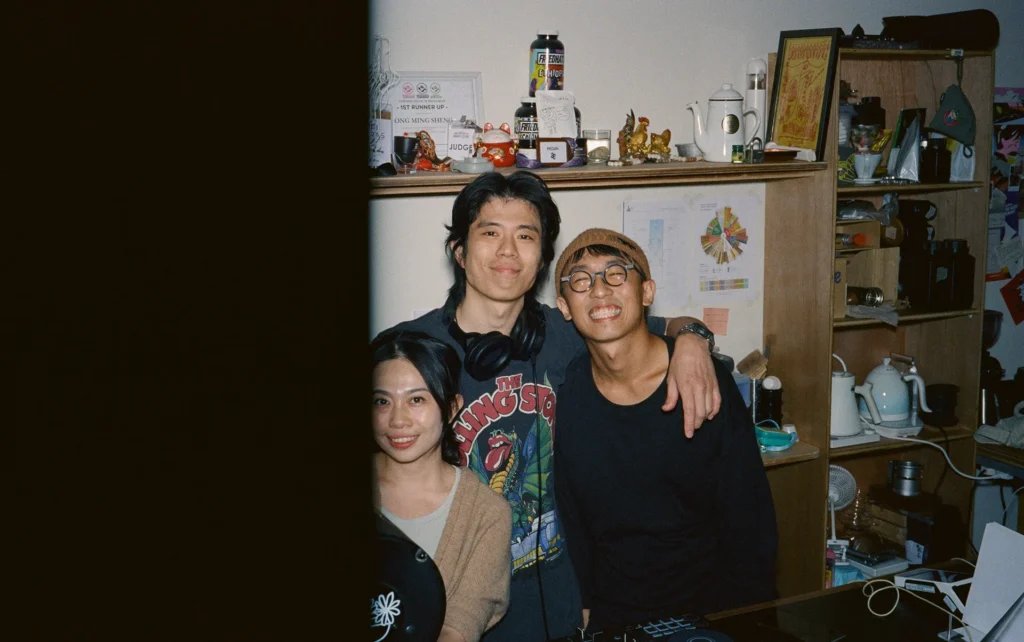
Years later, the technical mistake may matter less than the person in the frame or the place that no longer exists, allowing something that once felt ordinary to become personal because life has moved on. The photograph itself has not changed, but its value has changed with us.
An archive is therefore more than a collection of finished work; it also holds moments whose meaning may not have arrived yet. An image may simply be waiting for enough distance, a new memory, or a different pair of eyes.
Look Again Before You Erase
The next time you return to an old folder or a forgotten roll, try not to begin by asking which photographs are the best, but instead notice which ones still make you feel something.
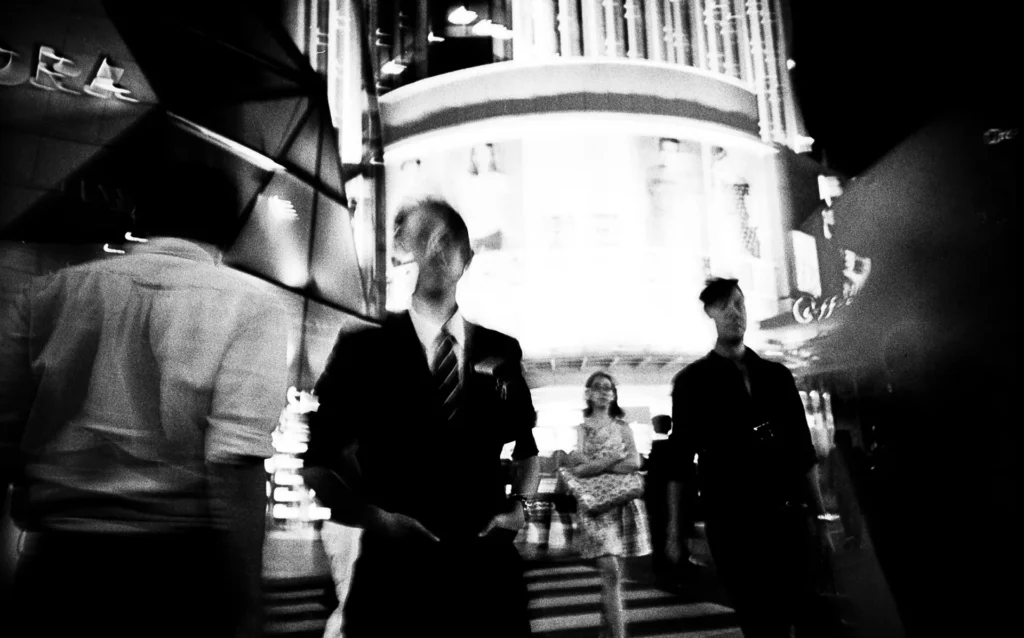
Look again at the image you once skipped because it was too dark, too soft, or badly composed, then consider what survived beyond the reason you rejected it. The photograph may hold a mood you could not see before, or a small detail that now matters more than technical perfection.
Not every rejected photograph needs to be rescued, because some images simply do not work, but each one deserves a second look before an old judgement becomes final.
Revisit Rejected Pictures

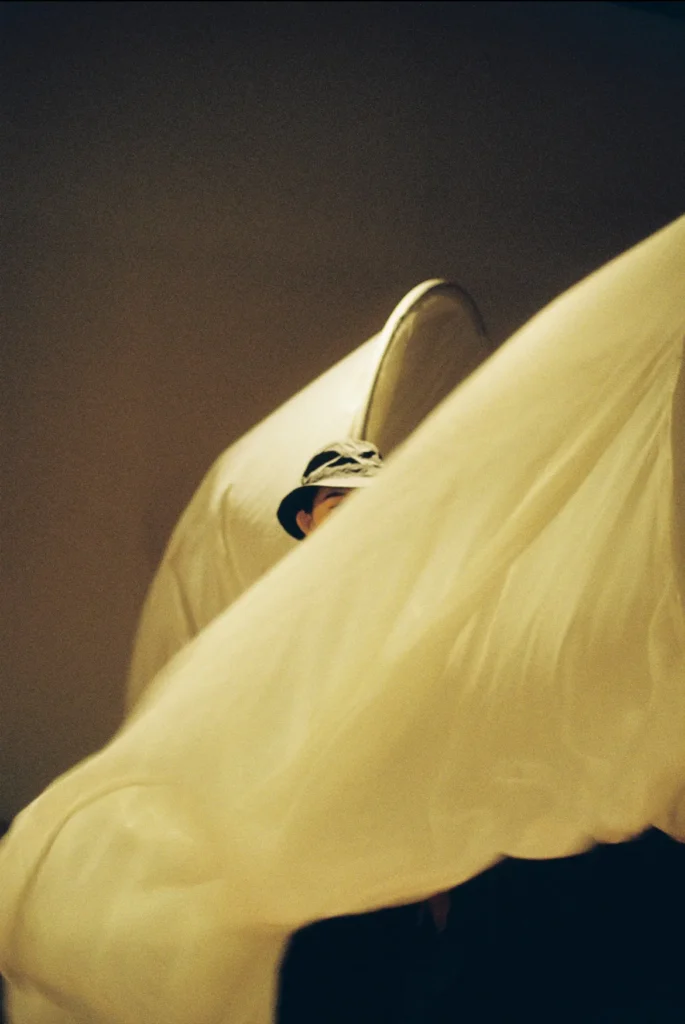
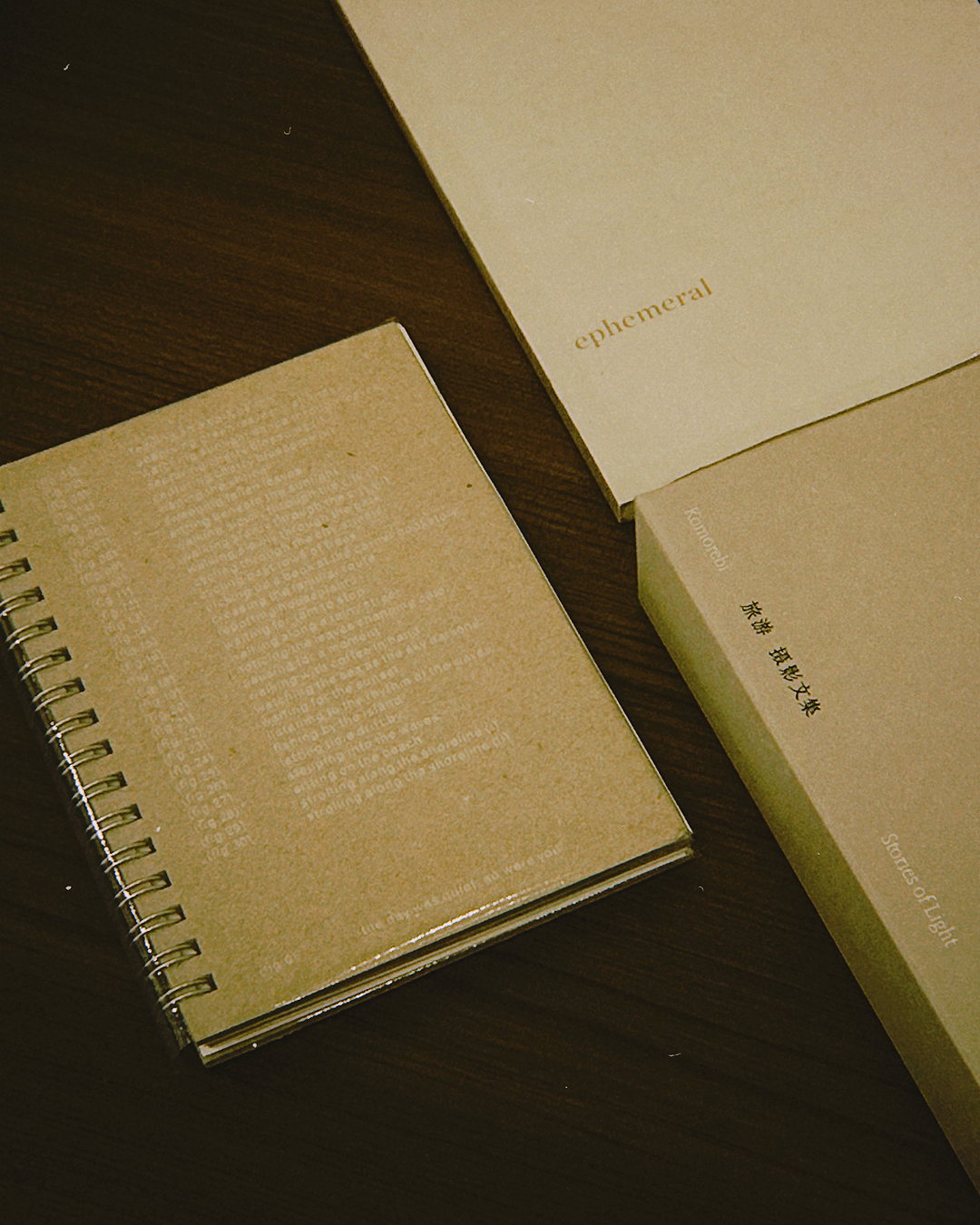
Tiga Mata Issue #2: Rejected Pictures, curated and edited by Eiffel Chong, brings together photographs that were once dismissed as wrong, imperfect, or not worth showing. When seen again, these images reveal honesty and stories that a polished frame might have missed, inviting us to reconsider how we decide what deserves to be seen and what may still be waiting inside the photographs we almost erased.