On Form, Memory, and What Books Can Do
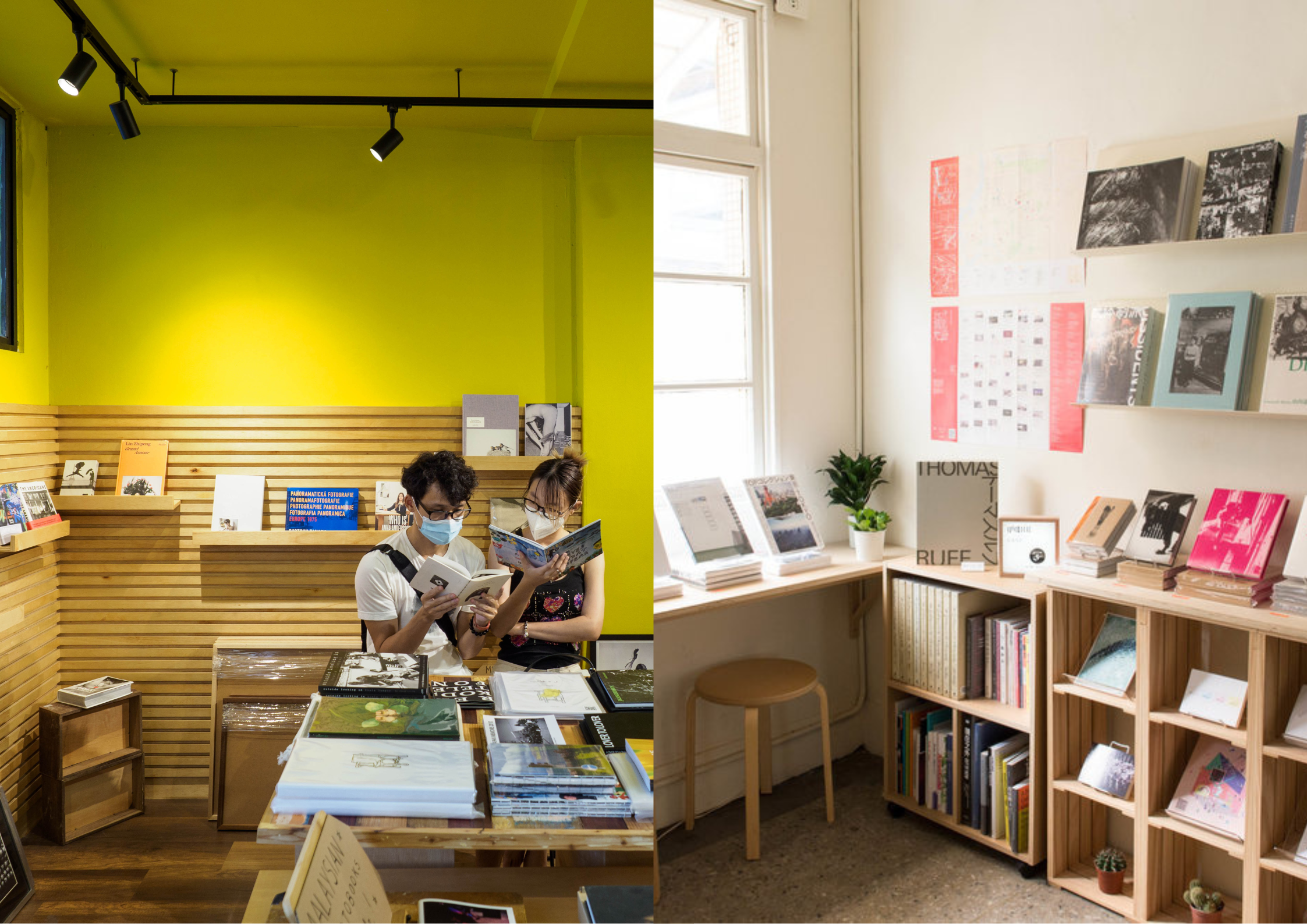
This month’s Reading Photographs gathered around three works that quietly challenged a familiar assumption: that a photobook must behave like a book.
One arrived packaged inside a cigarette carton. Another unfolded through layers of stitched cloth. The third could only be experienced through a stereoscopic viewer. Although each project approached photography differently, they shared a common proposition—that form is not simply a container for photographs, but part of the work itself.
The evening revolved around three titles: Shuangxi (Until Death Do Us Part) from the Beijing Silvermine archive, Organised Scenery by Loh Xiang Yun, and 3DPRK by Matjaž Tančič. None followed the conventions of a traditional photobook, yet each demonstrated how material, design, and sequence can shape not only the way we look at photographs, but also the way we understand them.


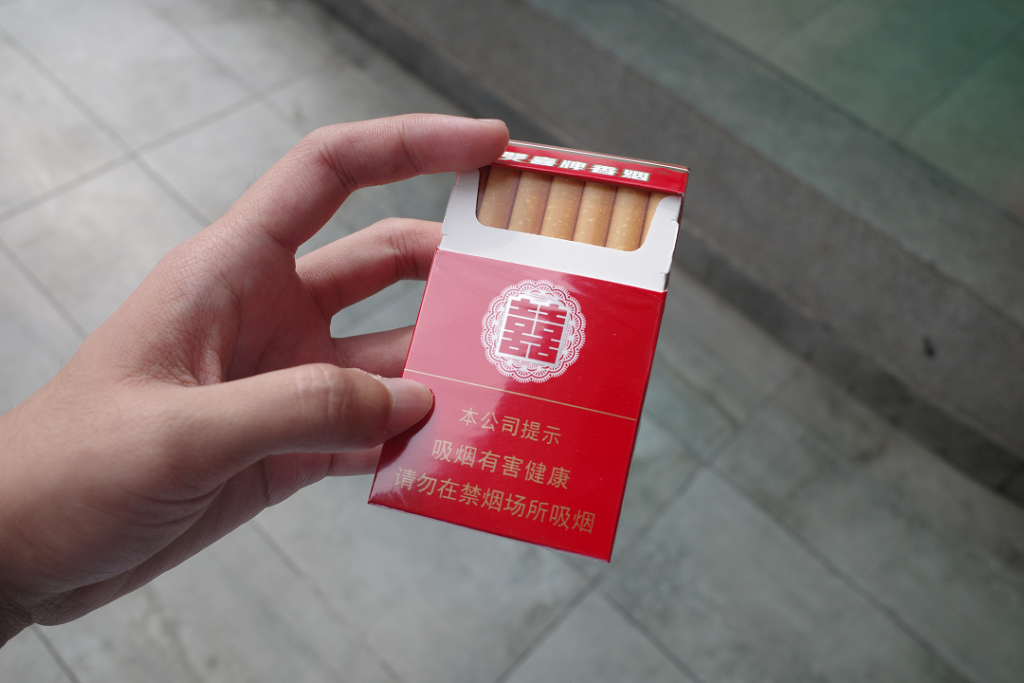
The first work immediately drew attention. Packaged like a carton of Chinese cigarettes, it contained ten miniature photobooks, each resembling a packet of cigarettes. Inside were anonymous wedding photographs rescued from discarded negatives found across China. Their makers remain unknown, and the images were never intended to become a publication. Decades later, they return as carefully designed objects carrying traces of lives that neither the publisher nor the reader will ever truly know.
Several participants remarked that opening each miniature book felt surprisingly intimate, almost like becoming a guest at someone else’s wedding. The familiar gesture of opening a cigarette carton became inseparable from the act of reading the photographs, making the design itself an essential part of the experience.
Before long, the conversation moved beyond design and toward ethics. Who owns a photograph once it has been abandoned? Does rescuing forgotten negatives preserve history, or does it appropriate someone else’s private memories? Some wondered whether the work would be received differently had it been created by a Chinese artist rather than a European one. Others suggested that it sometimes takes an outsider to recognise the significance of what local communities have overlooked. No clear conclusion emerged, but perhaps that was never the point. The photographs became a way of talking about authorship, cultural ownership, and the complicated afterlife of images long after the people within them have disappeared.

Organised Scenery shifted the pace entirely. Handmade from stitched cloth rather than paper, every copy slowly changes through use as loose threads begin to emerge from its pages. Participants observed that the book was designed not simply to be handled, but to age. Its gradual unraveling became another layer of the work, allowing time itself to become part of the reading experience.
Others noticed the quiet irony within the title. Singapore is often imagined through efficiency, order, and urban precision, yet the photographs linger on overlooked pockets of greenery and quieter spaces that continue to recede beneath development. Here, the material of the book and the subject of the photographs seemed to speak the same language.
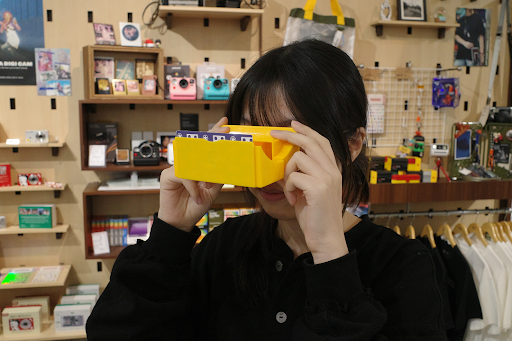
The final discussion centred on 3DPRK, photographed inside North Korea using stereoscopic imagery. Looking through the viewer produced an unexpected sense of depth, yet instead of making the country feel more familiar, it somehow made it even more elusive. Participants reflected on how difficult it is to separate reality from representation when every photograph is shaped by permission, access, and politics.
Some shared personal encounters with North Koreans living abroad, while others spoke about the conflicting narratives presented through different forms of media. One participant quietly observed that the stereoscopic effect offered the illusion of seeing deeper while still revealing only what the photographer had been allowed to show. It was a simple remark, but one that lingered long after the viewers had been put away.
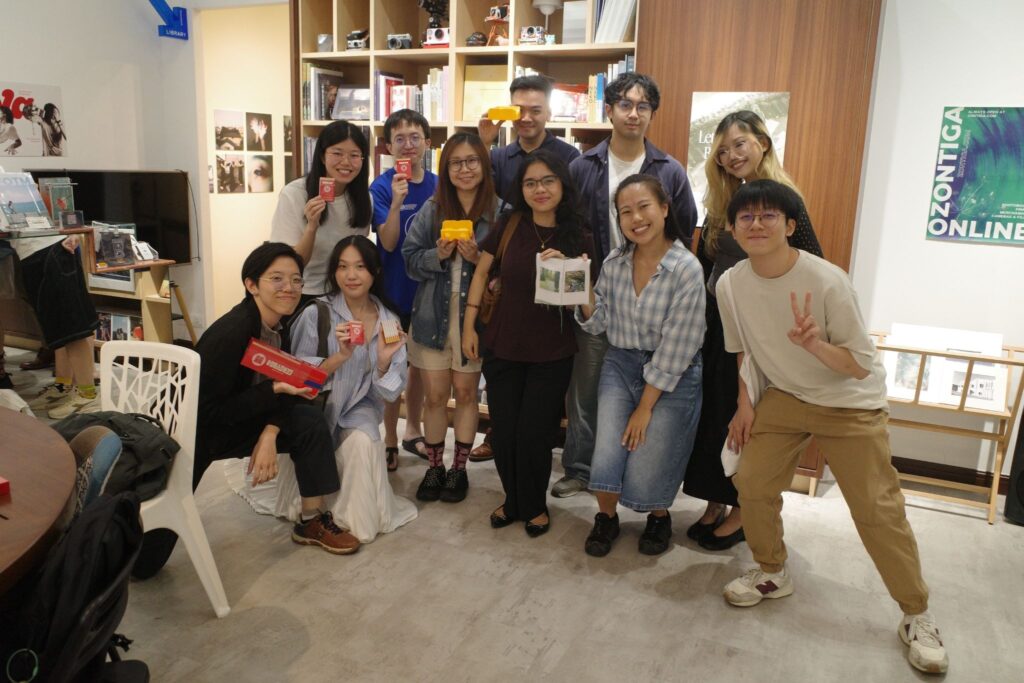
As the evening unfolded, another pattern slowly emerged. We had begun by talking about unusual books, but gradually found ourselves discussing memory, trust, ownership, history, and the invisible decisions that shape every photograph before it reaches our eyes.
The books themselves had quietly become part of the conversation. They reminded us that photographs are never experienced in isolation, but always through the objects that carry them—through paper, binding, texture, sequence, context, and conversation. In each case, form was not separate from meaning, but another way of shaping how the work is read.
Perhaps that is one of the quiet lessons these gatherings continue to offer. A photobook is never simply a place where photographs are kept. It is another way of reading them.
Perhaps that is also what Reading Photographs continues to become: a space where books are not only read for the images they contain, but for the questions they ask, the conversations they invite, and the many ways they encourage us to look more carefully.
Until the next Reading Photographs.
— Zontiga
Kuala Lumpur, July 2026