Introduction
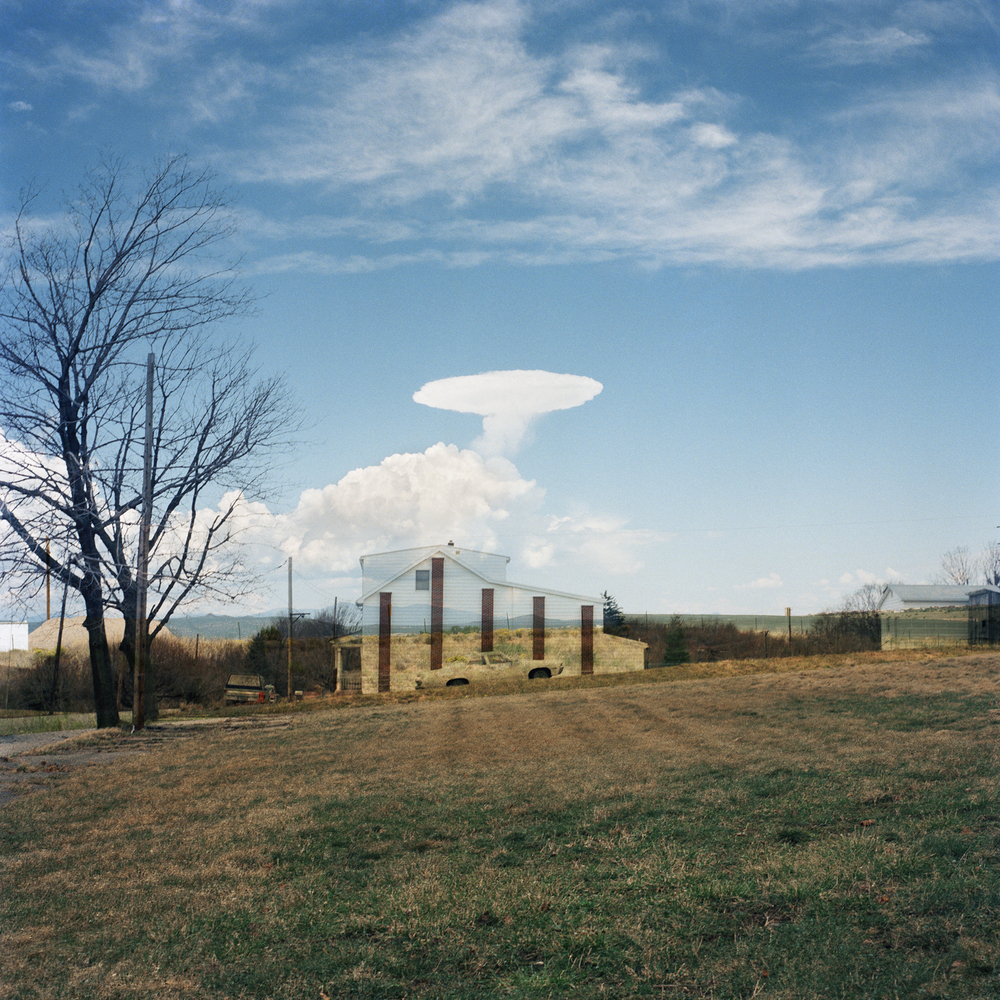
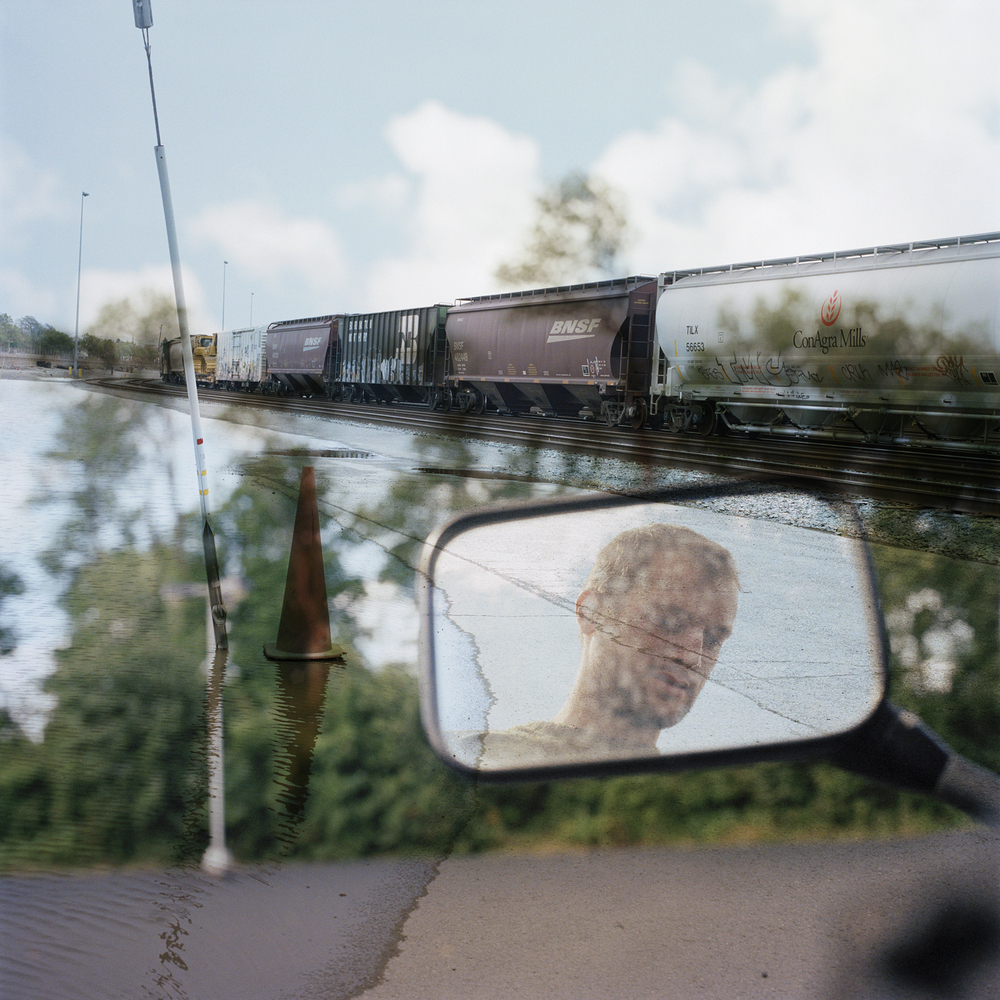
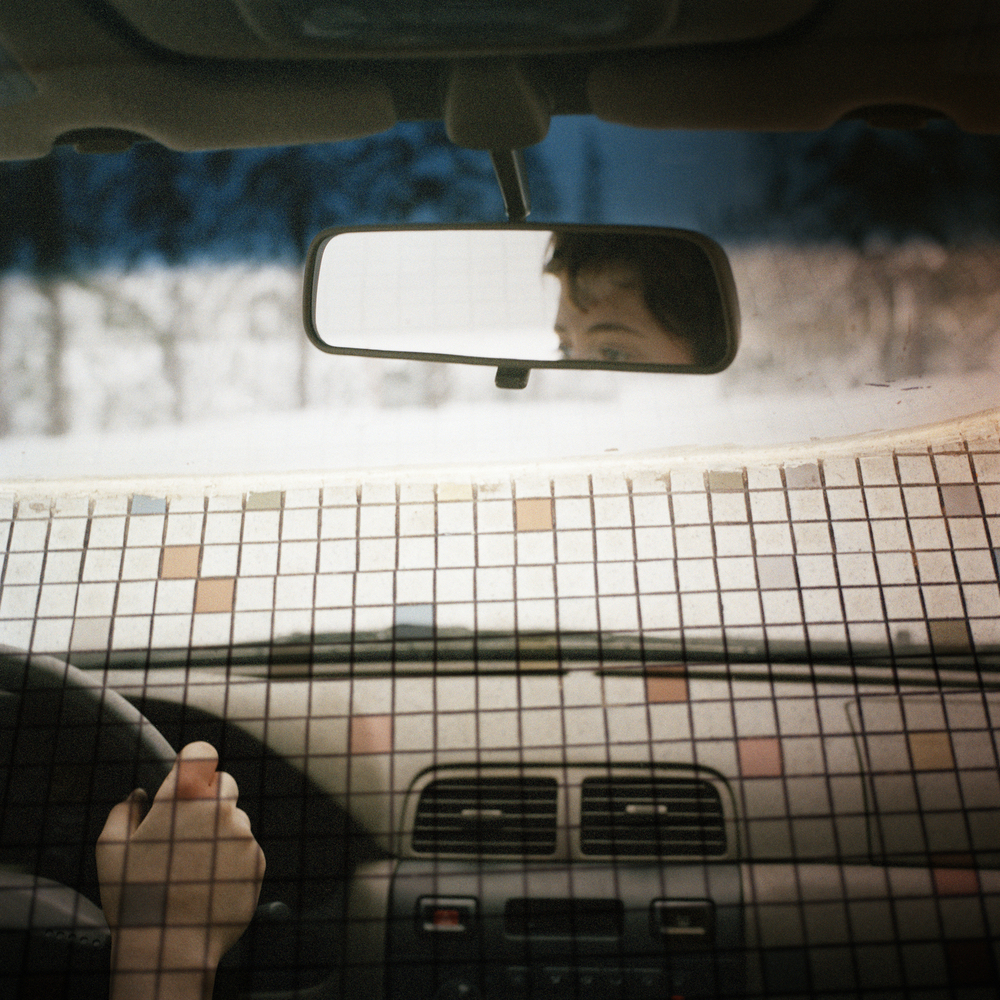
Combining photographs made over three decades, Frozen Features by American photographer Jason Fulford asks what happens when an extensive personal archive is surrendered to chance. Published by Loose Joints and described by Fulford as a “metaphysical slot machine” that scours his subconscious and returns it “two memories at a time”, the work explores the strange connections that emerge when photographs are removed from their original contexts, creating new associations while resisting fixed interpretations.
In conversation with Nathan Leigh Taylor, Fulford reflects on the role of chance in making the work, the history and possibilities of photomontage, the collaborative process of editing the book, and why he believes images should never be fully resolved.
Frozen Features brings together photographs made across thirty years of your practice. How did you begin revisiting that body of work and discovering the connections between individual images?
I have the whole archive in a physical form – that’s negatives and contact sheets – and the contact sheets are kept spiral-bound. There’s a large bookshelf of those that I can flip through, and they can get dirty with fingerprints, because they can always be remade. But the negatives are kept in a cabinet, in envelopes, boxed, so they only come out if I need to rescan something. I’ve scanned about ten thousand negatives, and last year I started playing with them and putting them together by chance.
Every once in a while, a combination would really sing or resonate or do something mysterious. I kept those and threw the others away. Chance helps you get out of your conscious head and offers you things that you might not have done on purpose.
When you returned to the archive, and saw the photographs outside of the context in which they were originally taken, did you find that any of the images had changed meaning for you over time?
I think that always happens. And in this process, it happened in a really surprising way. Whenever you put two images next to each other, they change each other’s meanings because the brain makes associations, and elements from one will project onto the other and vice versa.
I’ve always thought about that when editing a book or an exhibition or presentation of images. It’s like language. But here, it happened in a way that I still don’t quite understand. I think that’s why I like this work right now.
It reminds me of something Benjamin Buchloh wrote about Gerhard Richter’s paintings; He described them as vexations, in that they seem to be picture puzzles that have a solution, but they resist any attempt to get to that solution. So, then you want to look at them longer, or the intellectual experience lasts longer.
You open the book with Barbara Morgan’s writing on photomontage, that it “is no stranger than life itself” and that the images vital to us move together, “skipping over the factual detail”. What did you recognise in Morgan’s description that felt connected to Frozen Features?
Well, when I look at these images, it makes me wonder about our subconscious. We carry all these images and memories in our head, from everything we’ve seen and experienced. What is the mind doing with them in the background?
Barbara Morgan also writes about natural montages, like a reflection in water or looking through a piece of glass – you’re seeing multiple images simultaneously. In real life, we don’t think of these as being strange, but then when you put them on paper, they feel strange. I don’t know why. But I’m curious what the images do for other readers, because I know their experience will be different than mine.
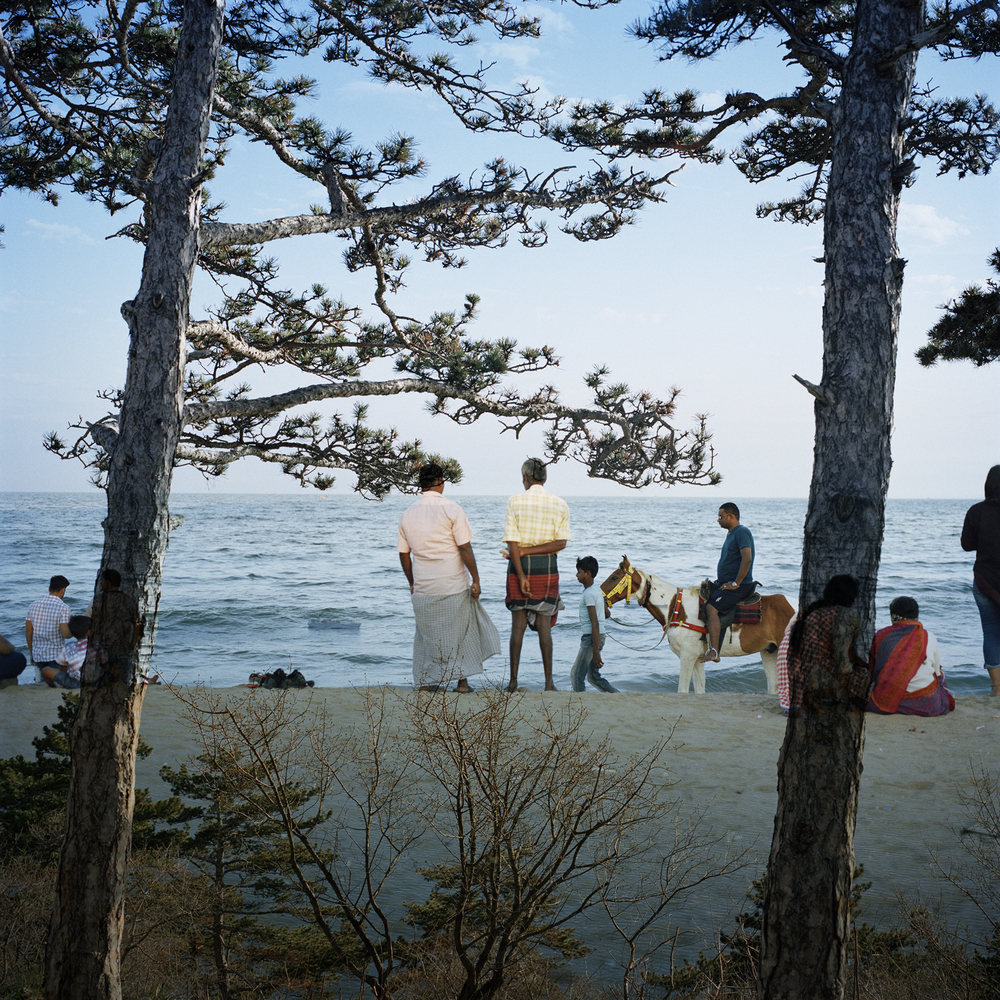
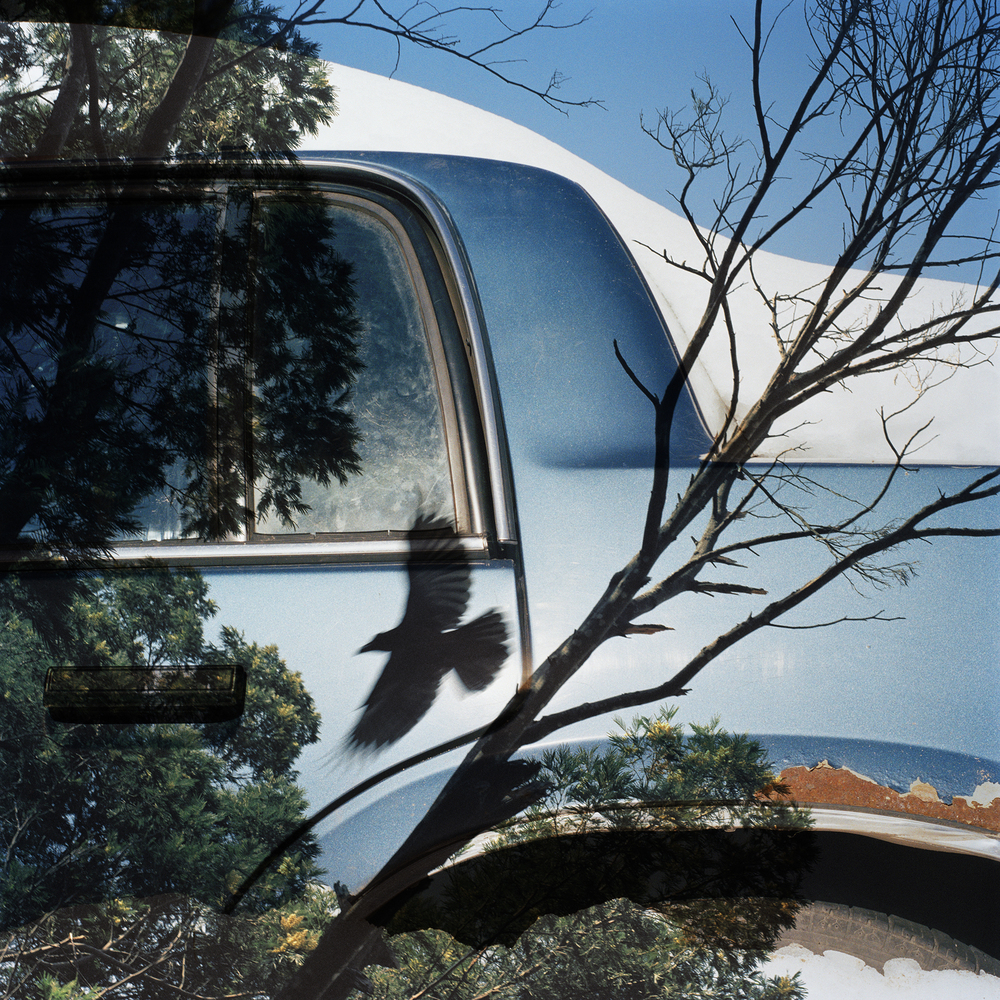
You also acknowledge a number of artists whose experiments with photo-montage have inspired you – Hannah Höch, Boris Mikhailov and Lebohang Kganye, to name a few. What connects those artists for you, and where do you see Frozen Features in that longer history of photomontage?
I wanted to mention some other artists who’ve used montage, whose work I admire, just to – I don’t know if I would say for educational purposes – but for people who might not know the history of photography. Montage has been happening, either accidentally or on purpose, since the beginning.
It’s quite a long list of names. Is there anyone in that list that you particularly admire or who really inspires you?
I love them all for different reasons, but one thing I love about Boris Mikhailov’s work in montage is: I never went to the former Soviet Union in the seventies and sixties, but I have ideas of what it was like. His montage images from then paint a picture that charges my imagination about the state of mind of an artist there at that time. And somehow the combinations do more than a single image could do.
With chance playing such an important role in bringing the images together, where do you see your own authorship entering the process?
When you work chance in, you’re letting another process offer you options, and then you choose. I probably made about a thousand of these combined images, and Frozen Features includes only about fifty of them. So that’s one level of the authorship.
I should mention that Sarah Chaplin Espenon, editor at Loose Joints, and I edited the book together. I brought a few hundred of the images, and then we spent two days getting it down to fifty. We put everything out and started talking about selection and sequence, and then we just started to work. We barely said anything for a long time. It was purely visual, and just kind of yes or no. It’s great to work with someone you trust and have those kinds of things happen.
It’s always surprising when you look at a large body of work and you see how many different books could have come out of it if they were just put together in a different way.
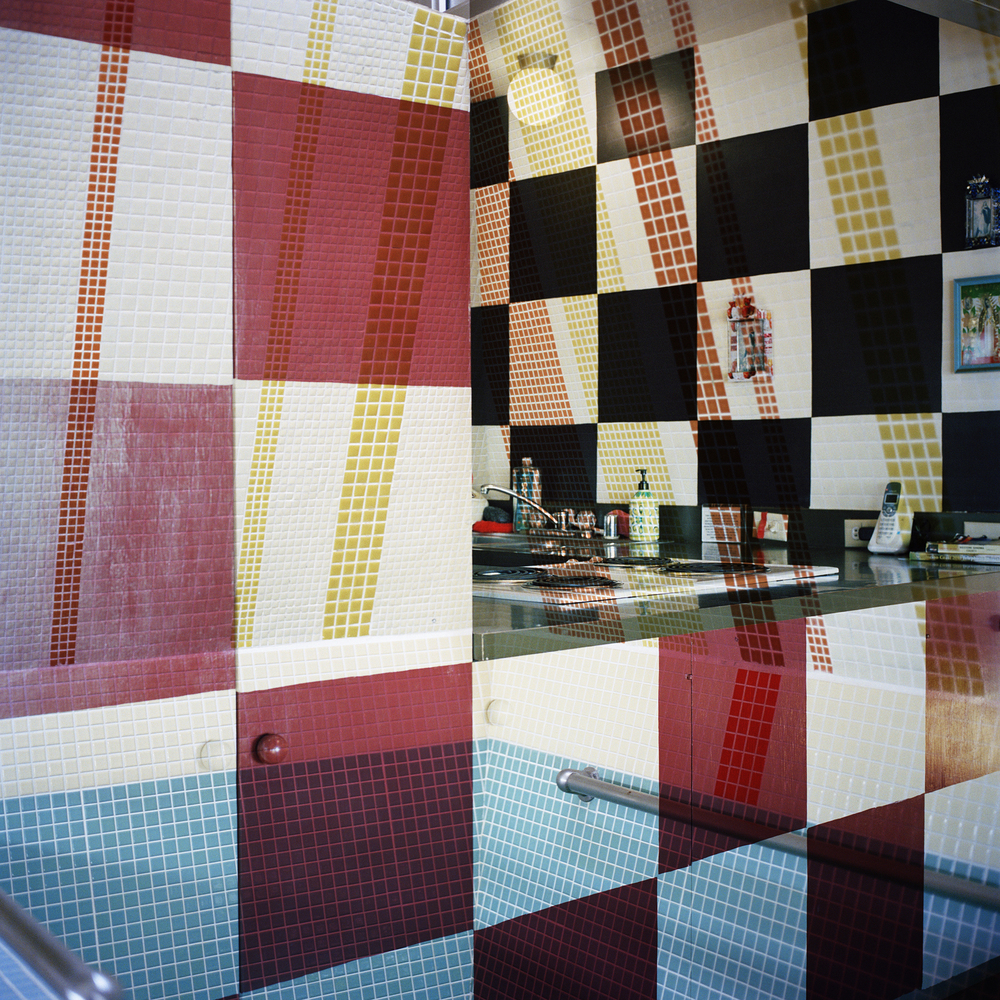
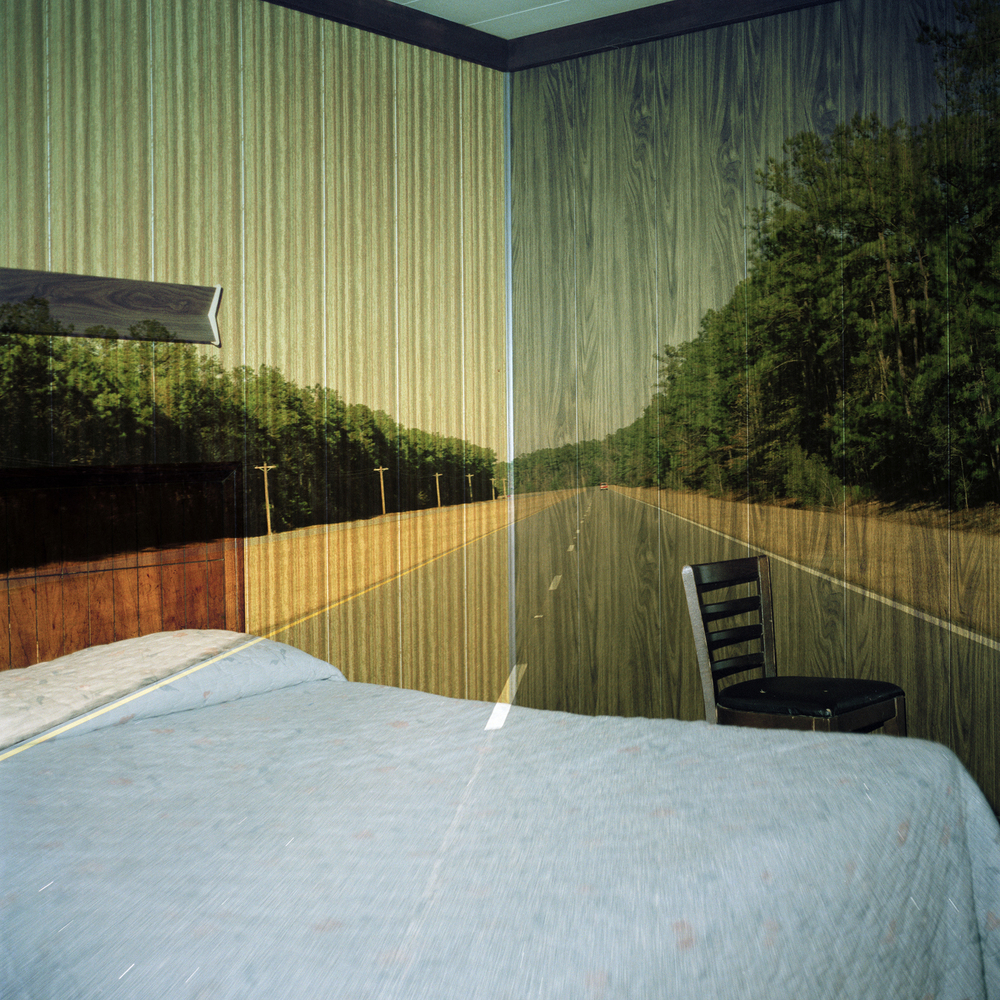
Were there particular themes or rhythms, or even narratives, within the book that you want people to experience?
I wanted each image to stand alone, so we tried to avoid narrative. I would say, however, that there is a music to it, but it’s not really something that I can explain. It’s something you just have to feel. I think that’s what was happening in the editing sessions with Sarah.
One of the challenges with editing a book is to keep the reader engaged mentally as they go through. To keep them thinking. In a book like this, if the viewer looks through and, all of a sudden, they feel like, “Oh, I got it,” then they stop looking or stop thinking.
Was there a point when you were putting the images together that you were trying to surprise yourself as much as the viewer?
Oh, always. The images that stay in any of the books that I’ve made are ones that continue to surprise me. That’s one of the prerequisites for an image to stay. It’s related to that thing that I mentioned about Gerhard Richter and Benjamin Buchloh; I want the images to last.
The only way for them to last is for them to never fully be resolved.
In your letter to the reader, you describe the pairings as being chosen by chance through a “Metaphysical Slot Machine,” that scoured your subconscious and fed it back to you two memories at a time. Could you speak more about that?
Usually when I write something like that down, I’m condensing a more complicated thought or feeling into as few words as possible because I like that kind of presentation. So, I want the audience to interpret that rather than me. You know what I mean?
The same goes in a lot of ways with the images. I studied graphic design in college, and one of the professors, Charles Goslin, used to give us this great assignment. He collected obituaries from The New York Times of a certain type of person, someone who often had two sides of their life that combined in an unusual way. He would give us an obituary, and we had to make a logo that represented the person. It’s such a brilliant exercise for a designer to take something as complex as a person’s life and reduce it down to the simplest possible form.
I think it influenced me a lot as a photographer, and as an editor, in trying to reduce the content into a compact form that can then be unpacked by the reader. I always try to make work that the reader finishes.
Jason Fulford.
Jason Fulford (b. 1973, USA) is a photographer, publisher, and educator. A Guggenheim Fellow and co-founder of J&L Books, he centres his practice on the meanings images generate in sequence, transforming the commonplace into open, poetic metaphor. He has served as an Appointed Critic in the Yale MFA Photo program and as a Visiting Lecturer at Harvard University. Fulford has published more than a dozen books, including The Mushroom Collector (The Soon Institute, 2010), Picture Summer on Kodak Film (MACK, 2020), The Heart is a Sandwich (MACK, 2023) and Lots Of Lots (MACK, 2024), among many others. Fulford is also the editor of two renowned anthologies: The Photographer’s Playbook (Aperture, 2014, with Gregory Halpern) and Photo No-Nos: Meditations on What Not to Photograph (Aperture, 2021). He lives and works in the USA.
Nathan Leigh Taylor
Nathan Leigh Taylor (b. 1990) is a UK-based photographer and writer.
Frozen Features by Jason Fulford is published by Loose Joints
Images Featured © Jason Fulford 2026 courtesy Loose Joints