A landmark may belong to everyone, but when we all stand in the same place and follow the same angle, whose way of seeing are we repeating?
Visit a popular landmark and you will often find a small crowd gathered around one particular viewpoint. People wait for their turn, raise their cameras in almost the same direction, and leave with photographs that closely resemble the images they saw before arriving.
There is nothing wrong with taking the familiar photograph. A popular view usually became popular for a reason, and seeing it with your own eyes can still be meaningful. The more interesting question is why that angle can begin to feel like the correct one, even when an entire place exists beyond it.
When Other People Decide What Matters
The psychologist Robert Cialdini uses the term social proof to describe how people look to the actions of others when they are uncertain about what to do. If a restaurant has a long queue, we assume the food must be worth waiting for, and when a group suddenly looks upward, we naturally want to know what they have seen.
The same behaviour appears when we travel with a camera. In an unfamiliar place, other photographers become a guide, because where they stand suggests what deserves our attention. The more cameras pointing towards one view, the more that view begins to feel important.
Cialdini explains that social proof becomes especially powerful when we are unsure of our own choice. A famous landmark creates exactly that kind of uncertainty, since we want to remember it properly and do not want to miss the photograph everyone else seems to know how to make.
Following the crowd is not always a mistake. Other people can lead us towards something genuinely worth seeing, but their attention can also replace our own before we have had time to decide what interests us.
We Often Know the Photograph Before the Place
Long before we arrive at a destination, we may have already seen it through travel guides, films, postcards, and social media. Those images do more than show us what the place looks like; they teach us which part of it represents the whole.
The sociologist John Urry described this as the tourist gaze, a way of seeing that is shaped by society rather than formed entirely by the individual. His idea suggests that tourism does not begin when we reach a place, because the images we have already seen influence what we expect to find and what we later decide to photograph.
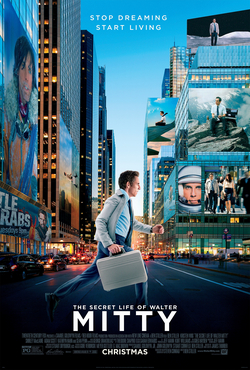

A film can make this even clearer. After The Secret Life of Walter Mitty, travellers began visiting the road above Seyðisfjörður in Iceland because they wanted to stand where Walter longboards toward the fjord, and the photograph they hoped to make already existed in the film. Animation can create the same desire. In Your Name, real places were drawn so carefully that fans now queue at the stairs of Suga Shrine in Tokyo, trying to photograph the exact view from the final scene. The place is real, but the angle was learned from a story.
A landmark slowly becomes connected to one recognisable view, while everything outside that view begins to feel less important. When we finally stand there, taking the familiar photograph can feel like completing an image that was already waiting in our minds.
The tourist gaze helps explain why so many photographs from the same place look alike without assuming that the photographers lack creativity. They are responding to a visual idea that has been repeated so often that it now feels natural.
The Camera Can Confirm What We Already Know
Photography is often praised for helping us see, but it can also encourage us to confirm what we expected to see. We recognise the famous angle, make the photograph, and feel that we have captured the place, even though we may have paid little attention to what was happening around us.
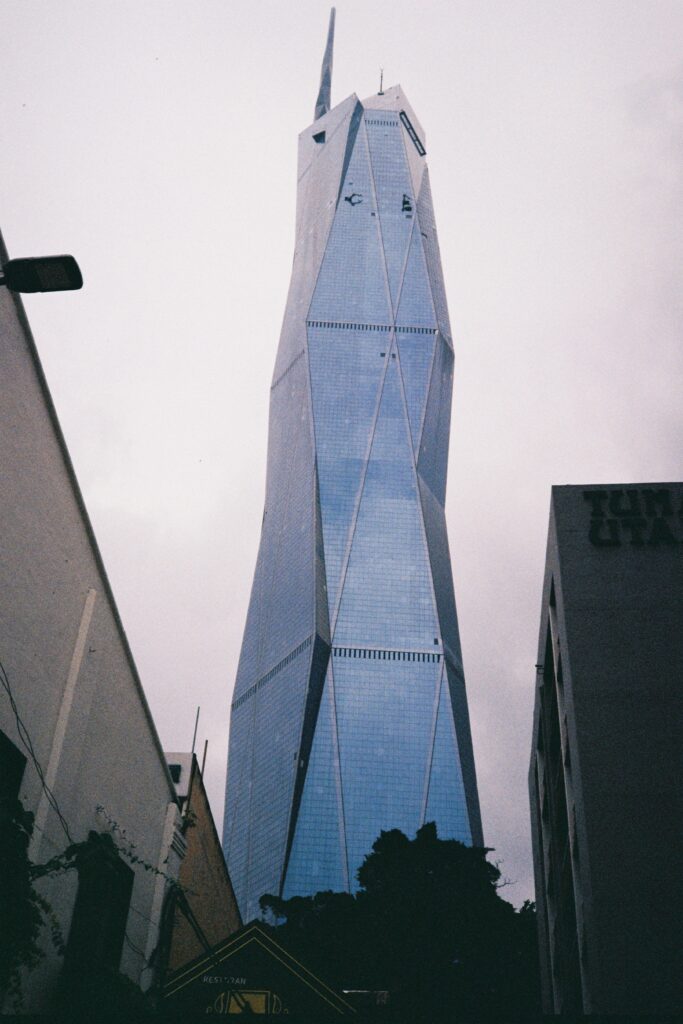
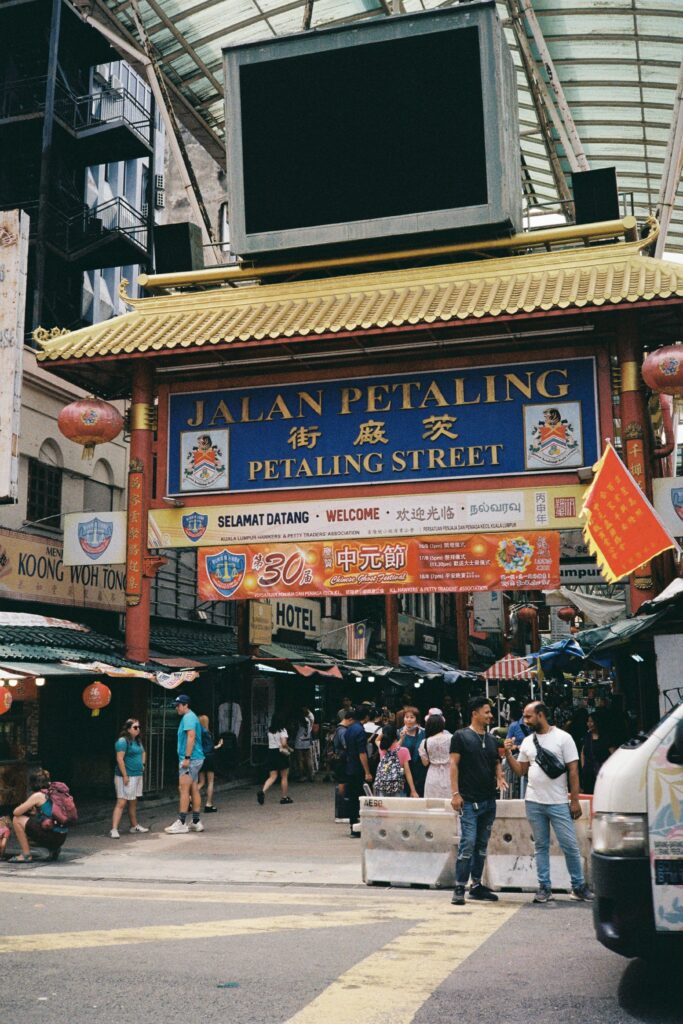
This creates a quiet loop. An image attracts people to a viewpoint, those visitors make similar images, and their photographs teach the next group where to stand. With every repetition, one version of the place becomes stronger while other possible views remain largely unseen.
The repeated photograph still has personal value, particularly when it records a meaningful trip or includes someone important to us. The problem begins only when recognition replaces curiosity and we stop looking once we have made the image we expected to take.
What Remains Outside the Famous Frame?
The established viewpoint shows us what a place is known for, but the edges may reveal how that place is actually lived. A few steps away from the crowd, there may be a worker preparing the space before visitors arrive, a reflection that appears only at a certain hour, or an ordinary detail that carries more of the local atmosphere than the landmark itself.

Finding a different photograph does not mean forcing an unusual angle simply to be original. Turning the camera upside down or avoiding the landmark completely can become another rule that distracts us from paying attention.
The goal is not difference for its own sake, but the return of personal choice. After making the familiar photograph, lower the camera and spend a little more time with the place. Notice where your attention moves when nobody else is showing you where to look, because that second response may lead to an image that belongs more clearly to your own experience.
Before You Follow the Next Camera
On your next visit to a popular place, notice the moment when someone else raises a camera and your eyes follow. That reaction is natural, and it may lead you towards something worth seeing, but it is also an opportunity to pause before allowing another person’s attention to decide your photograph.
You can still stand at the famous viewpoint and make the image you came for. Afterwards, continue looking until the place becomes more than the photograph you already knew.
The familiar angle shows what everyone came to see, while the photograph beyond it may reveal what only you noticed.