What Does It Mean to Alter Reality?
When something is altered, has it become less true—or simply different from what we expected?
The word **altered** means changed, but change does not always destroy the original. A memory can shift each time we return to it and still feel true, while a familiar place can feel completely different after an important event even when nothing physical has moved.
Reality may stay the same while our experience of it changes.
Is Reality Fixed?
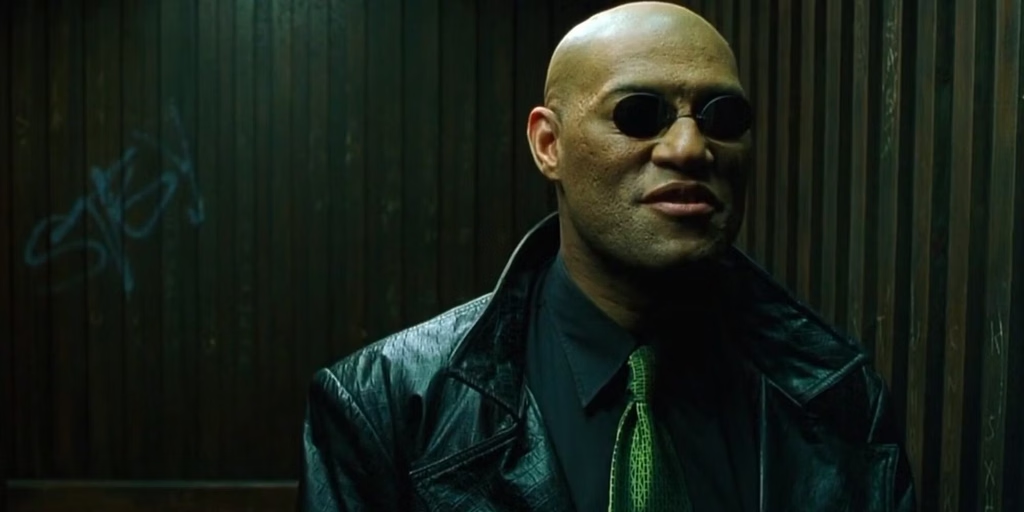
In The Matrix, Morpheus asks, “What is real? How do you define ‘real’?” The film turns this into a science-fiction question, but it also points towards something we experience every day.
We understand the world through our own minds. Our mood affects how a place feels, while our past shapes what we notice in the present. Someone feeling hopeful may see possibility in a situation that another person finds uncertain. Both are looking at the same reality, but they are not experiencing the same version of it.
This does not mean that facts do not matter. It means that facts are only one part of how we understand an experience.
One Moment, Different Truths
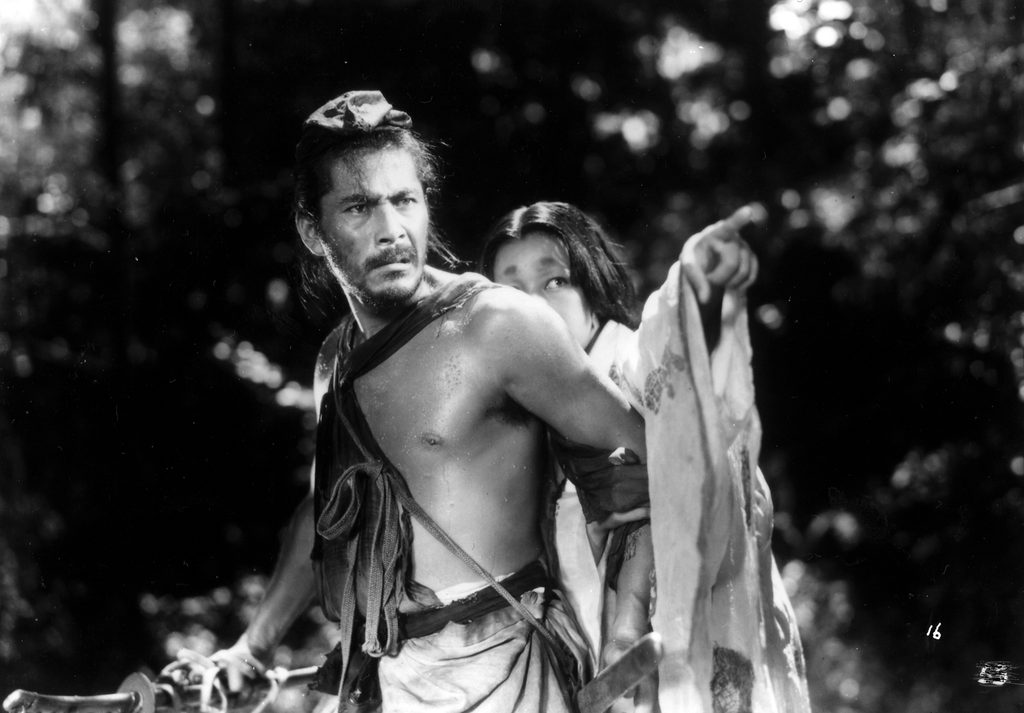
The term **Rashomon effect** comes from Akira Kurosawa’s film *Rashomon*, in which different people describe the same event in conflicting ways. Each person believes their own account, although no single version gives us the complete truth.
The idea has become a useful way to describe how memory and personal interest can change the story we tell. We do not remember like machines. We hold on to what affected us and slowly lose what did not, so the same moment can live differently inside each person who experienced it.
Sometimes reality is altered not because someone wants to lie, but because no one can see the whole picture.
When Seeing Becomes an Interpretation
Our eyes show us the world, but our minds decide what deserves attention. In a busy street, one person may notice a small human gesture while another remembers the light falling across a wall. The street was the same, but their experience was not.
This is where the idea begins to connect with photography.
A photographer chooses where to look and when to press the shutter. Most of the moment is left outside the frame, so even a straightforward photograph shows only one selected part of reality.
Film can transform that selection further. It may change the colours we remember or create a mood that was not visible to the eye. When this happens, the photograph no longer works only as a record of what was there. It becomes another version of the moment.
When the Result Does Not Match the Scene
Imagine photographing a green landscape and receiving an image filled with purple. The colour is not accurate, but the result may express the strange feeling of standing there more clearly than natural green could.
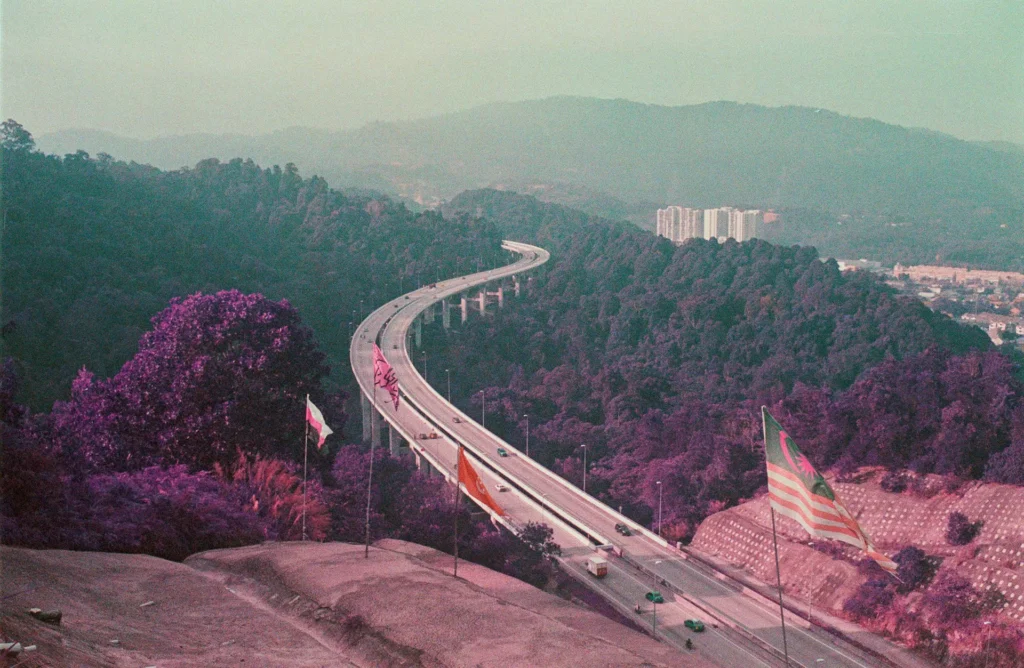
This does not make the image more truthful in every sense. It simply allows the photograph to carry a different kind of truth. One version shows how the subject looked, while the other may show how it felt or how the photographer now remembers it.
The difference invites a personal response. When the final image does not match what you saw, consider what has been lost and what has appeared in its place. The unexpected colour may change how you understand the subject, or reveal an idea that was not clear when you took the photograph.
Let Two Realities Meet
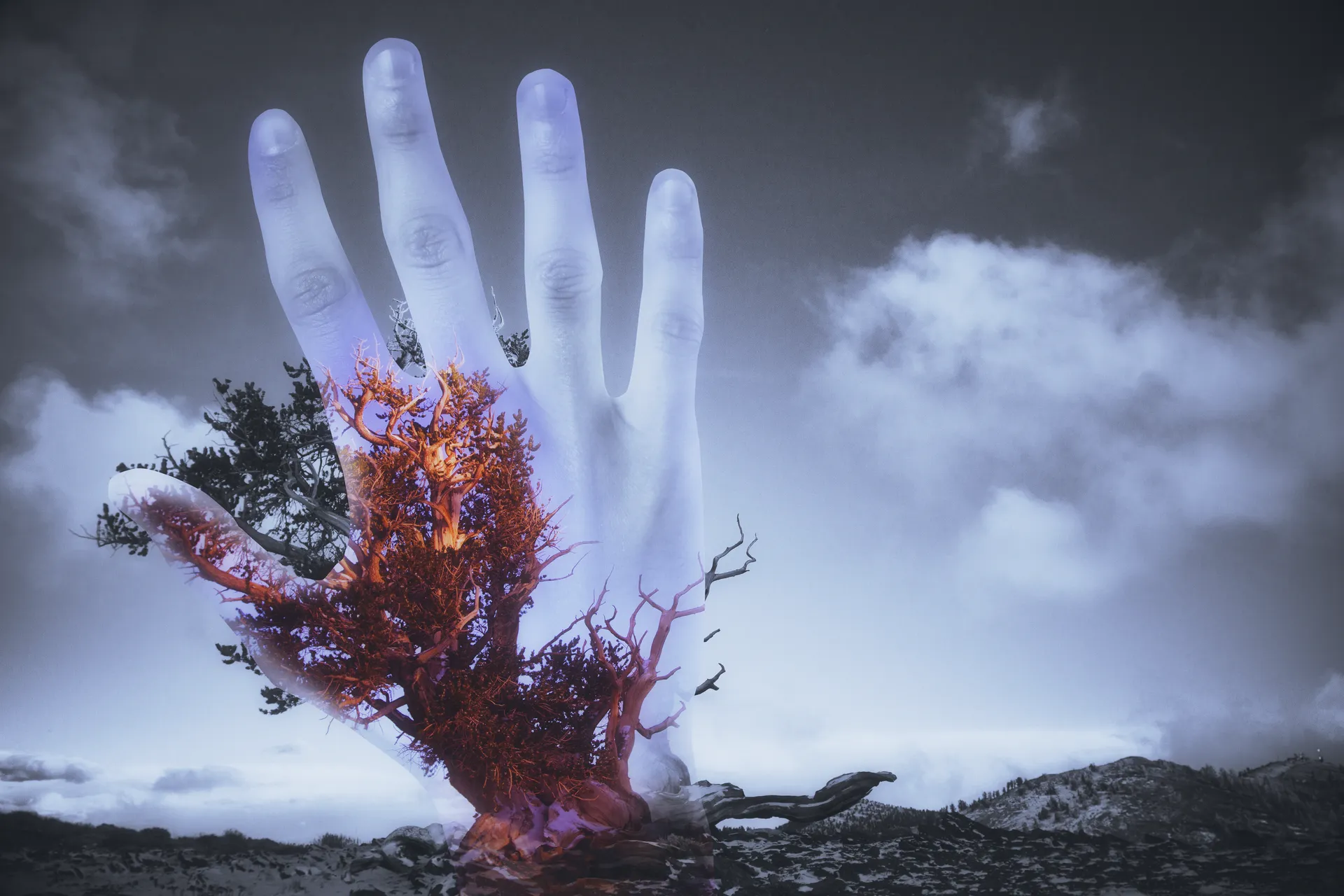
Double exposure pushes this idea further by bringing two separate moments into one frame. The result never existed as a physical scene, but the connection between those moments may still be real to the photographer.
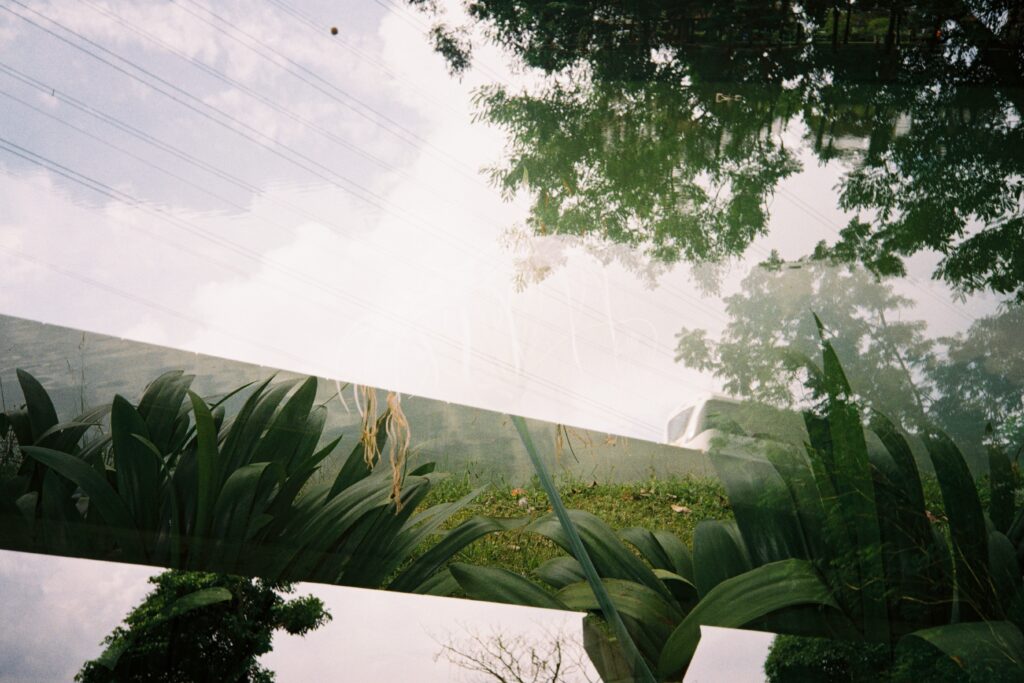
A place can overlap with a memory, or a person can become part of an environment that carries meaning for them. The image is clearly altered, yet the relationship it shows may be honest.
This is the creative possibility of altered reality. It does not ask us to reject the real world, but to consider how many versions of that world can exist through memory and personal interpretation.
Explore Altered Reality Through Photography
FOTM Case #04: Altered Reality invites photographers to explore the difference between what they saw and what the film reveals. CineStill 800T, HARMAN Switch Azure 125, and LomoChrome Purple XR 100–400 each transform colour in a distinctive way, allowing familiar subjects to return as something unexpected.
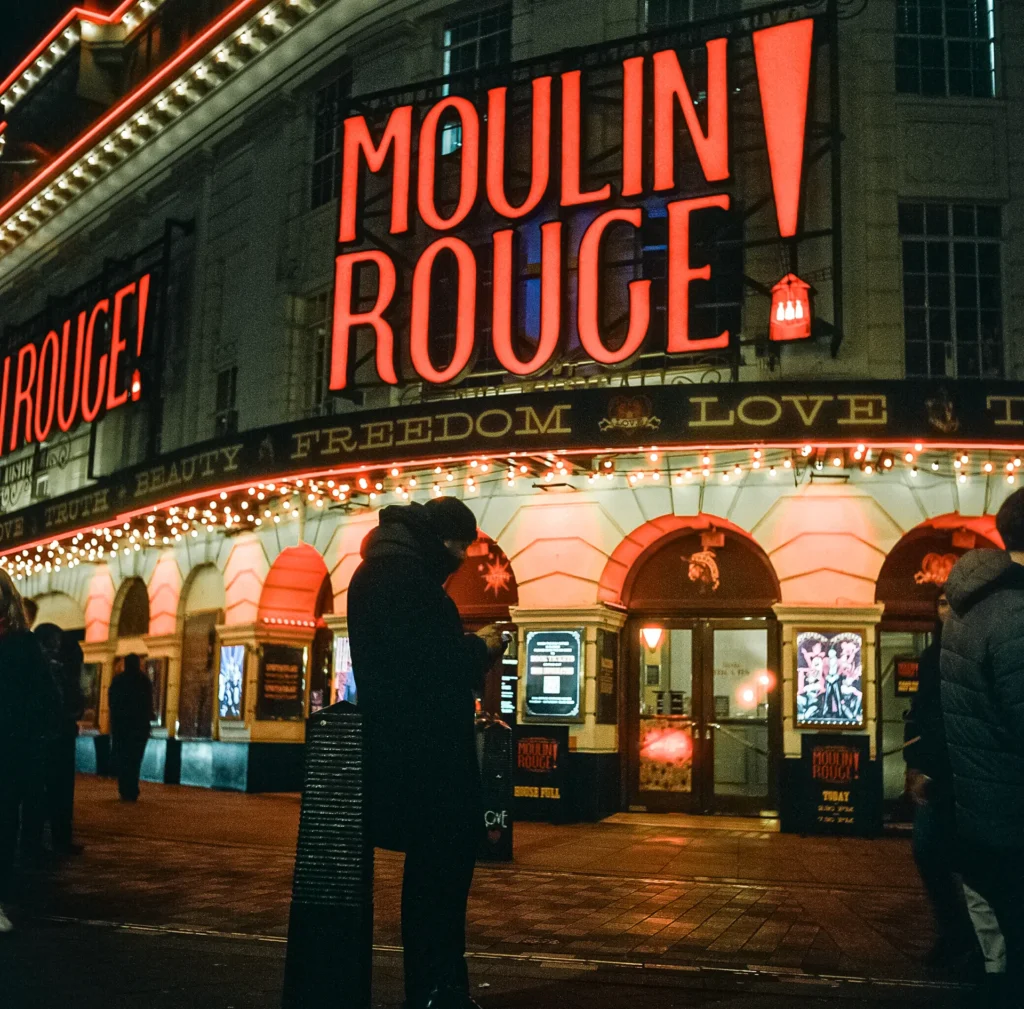
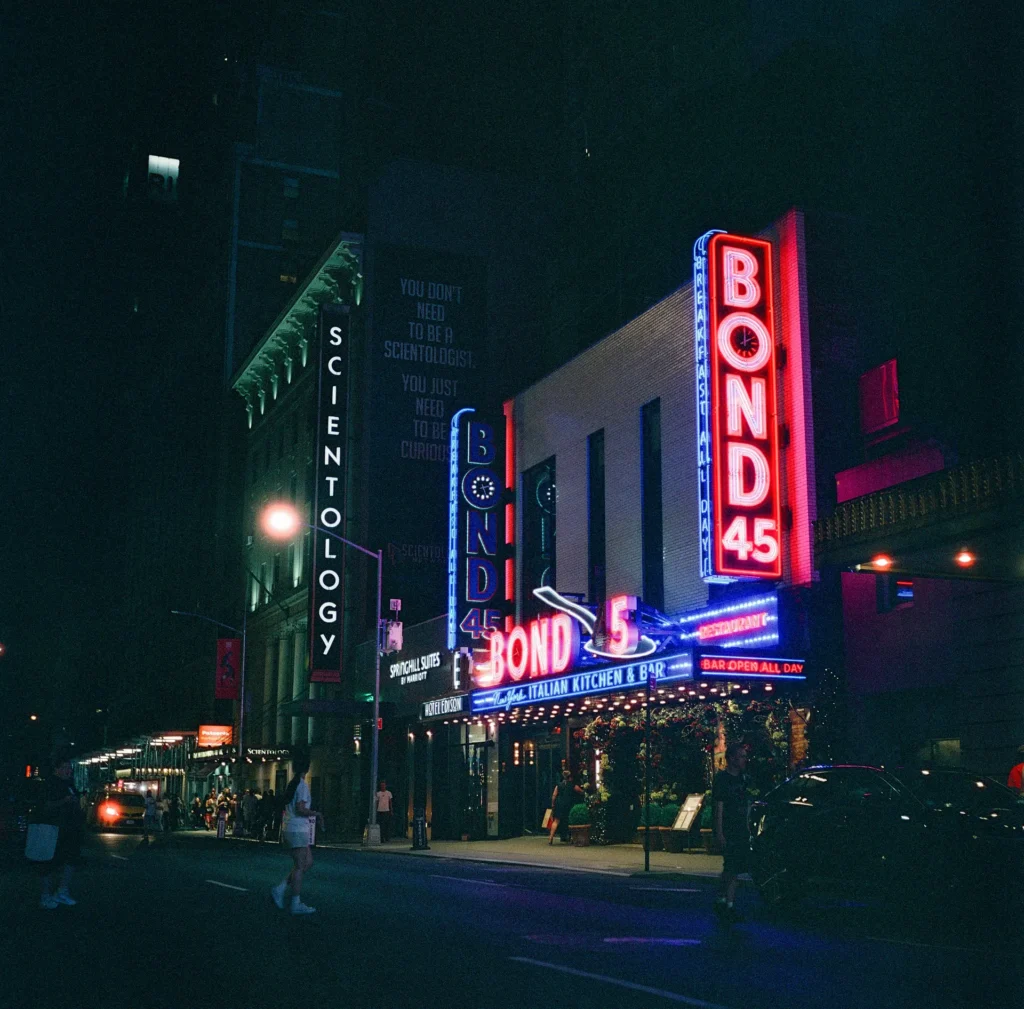
There is no fixed subject. You may photograph any person, scene, or object and give your own meaning to the difference between reality and the final image. If you are comfortable experimenting, you are also encouraged to try double exposure.
Visit fotm.zontiga.com to read the full case and learn how to participate.
What did you see, what did the film change, and which version feels more true?