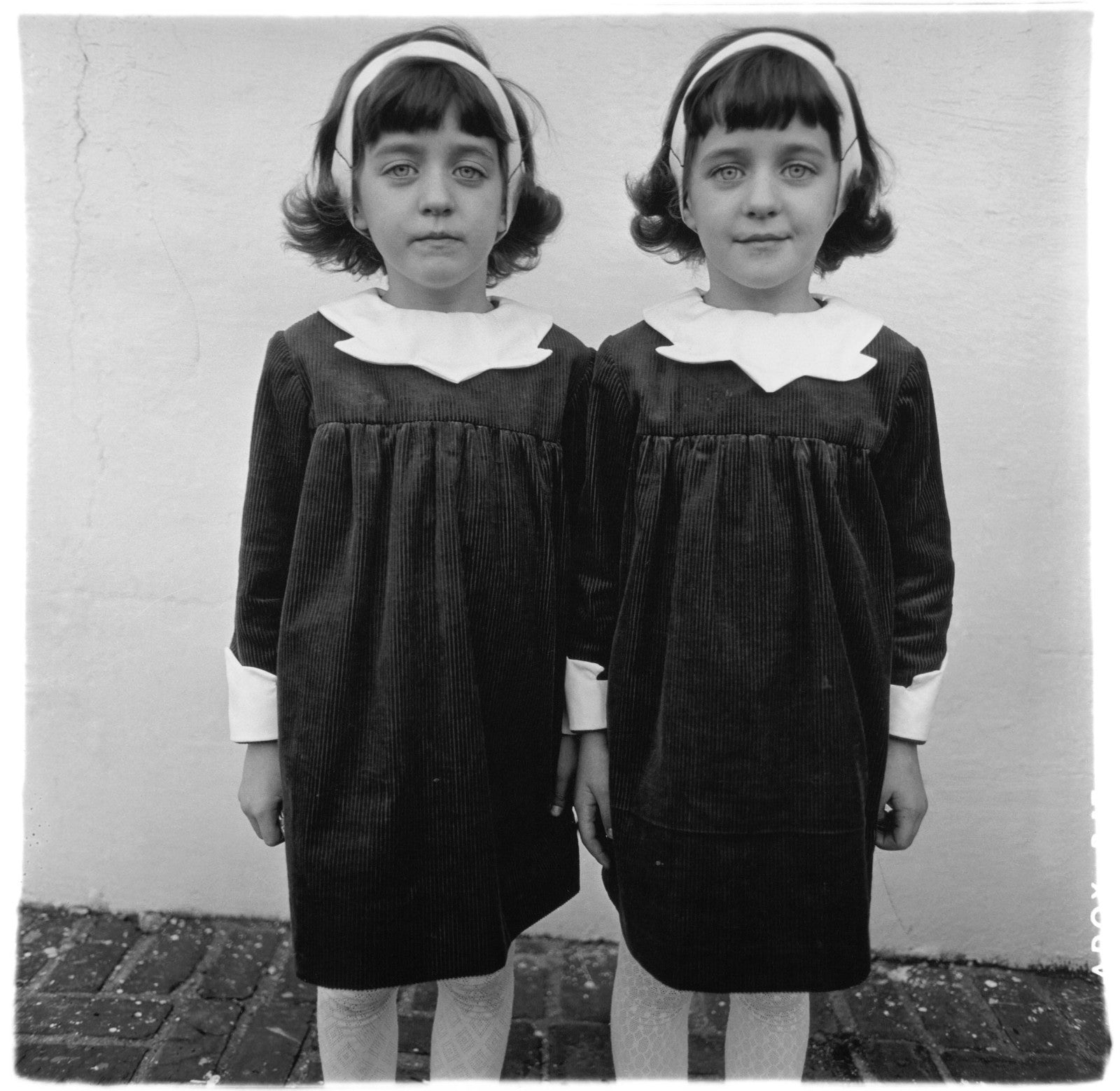
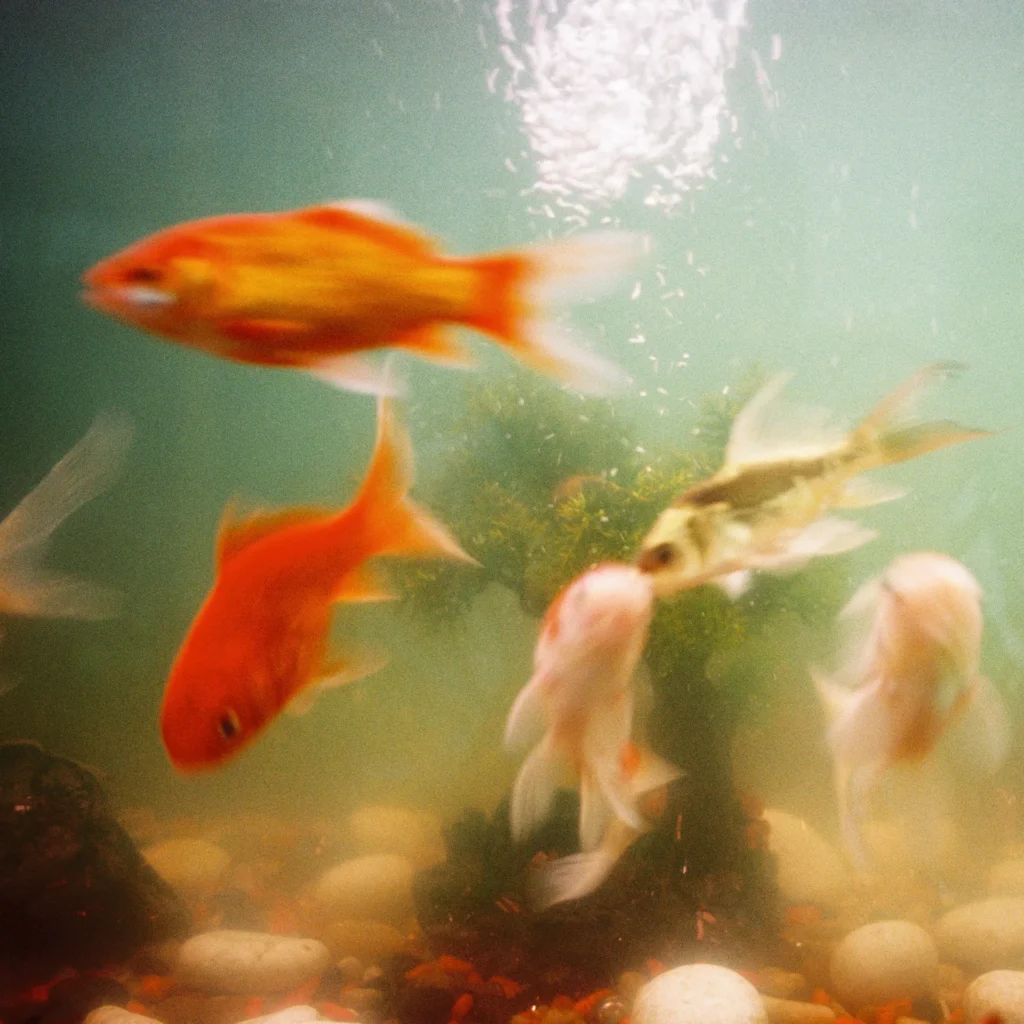
The world is always offering us something to see, yet what catches our eye may reveal as much about us as it does about the subject.
We move through streets filled with activity, but only a small part of what surrounds us becomes something we truly notice. One detail makes us slow down while everything around it continues to pass, and although the attraction may feel natural in the moment, it can be difficult to explain why that particular scene held our attention when so many others disappeared without leaving a trace.
Looking Is an Act of Choice
In Ways of Seeing, John Berger writes, “We only see what we look at. To look is an act of choice.” His words remind us that seeing is not simply a matter of opening our eyes, because our attention is always making decisions about what deserves to enter our awareness.
That choice is not always conscious, since something may attract us because it looks unusual or because it connects with a feeling we do not immediately recognise. A stranger’s gesture can feel familiar without reminding us of anyone specific, while an ordinary corner may hold our gaze because the light has changed its mood.
What catches our eye is therefore shaped by both the world in front of us and the person we have become, which is why the same subject can feel meaningful to one person and remain invisible to another.
How Something Obvious Can Disappear
Psychologists use the term inattentional blindness to describe how we can miss something that is clearly visible when our attention is focused elsewhere. In a well-known study, Daniel Simons and Christopher Chabris asked participants to watch people passing a basketball and count the passes made by one team. A person wearing a gorilla costume walked through the scene, yet almost half of the participants failed to notice because their attention was fixed on the counting task.
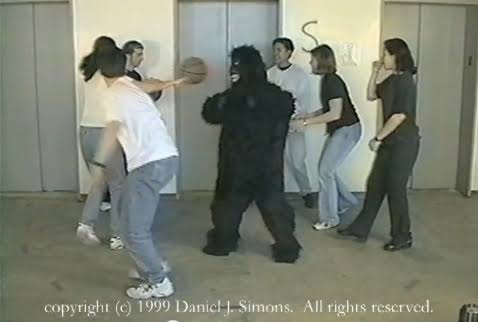
The experiment shows that looking in a direction does not guarantee that we will see everything there, because attention works more like a spotlight than a wide-open window. This narrowing happens in everyday life whenever routine tells us what to expect; after walking the same route and passing the same buildings often enough, we stop noticing what appears too familiar to require attention. The world has not become empty, but our way of moving through it has become automatic.
What Interrupts the Familiar
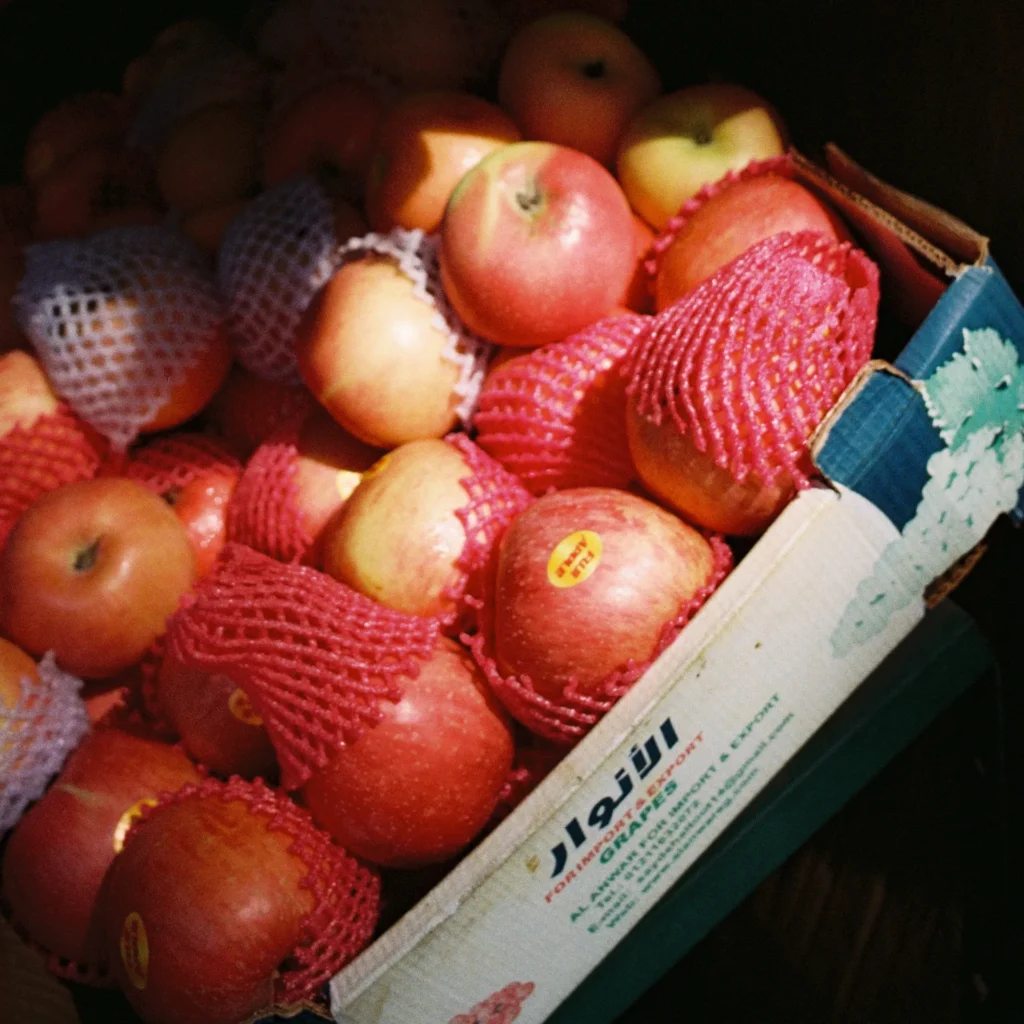

Something catches our eye when it breaks this automatic way of seeing, perhaps through colour or movement, although the interruption can be quieter when a small detail appears in the wrong place or a familiar scene suddenly carries an unfamiliar mood. Psychology describes this quality as salience, meaning that something becomes noticeable because it stands apart from its surroundings.
Visual difference is only part of the explanation, because personal meaning can be just as powerful. We are more likely to notice what connects with something we fear, miss, or hope to find, even when another person sees nothing remarkable in the same scene. Our attention can therefore act like a clue: the subject tells us what was in front of us, while the decision to stop tells us something about ourselves.
Photography Begins Before the Shutter
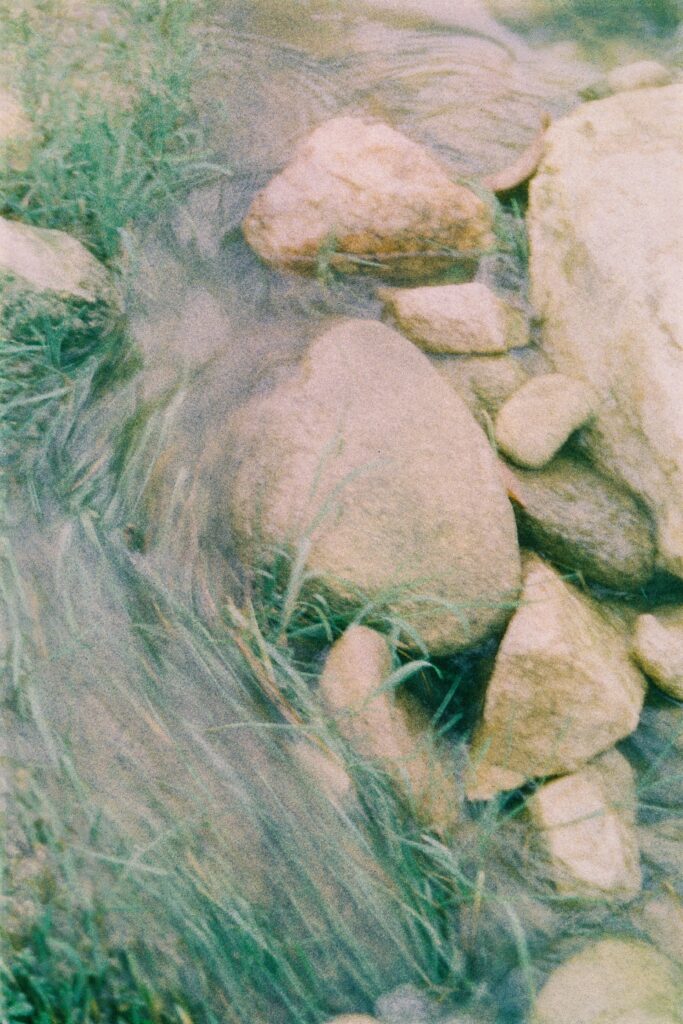
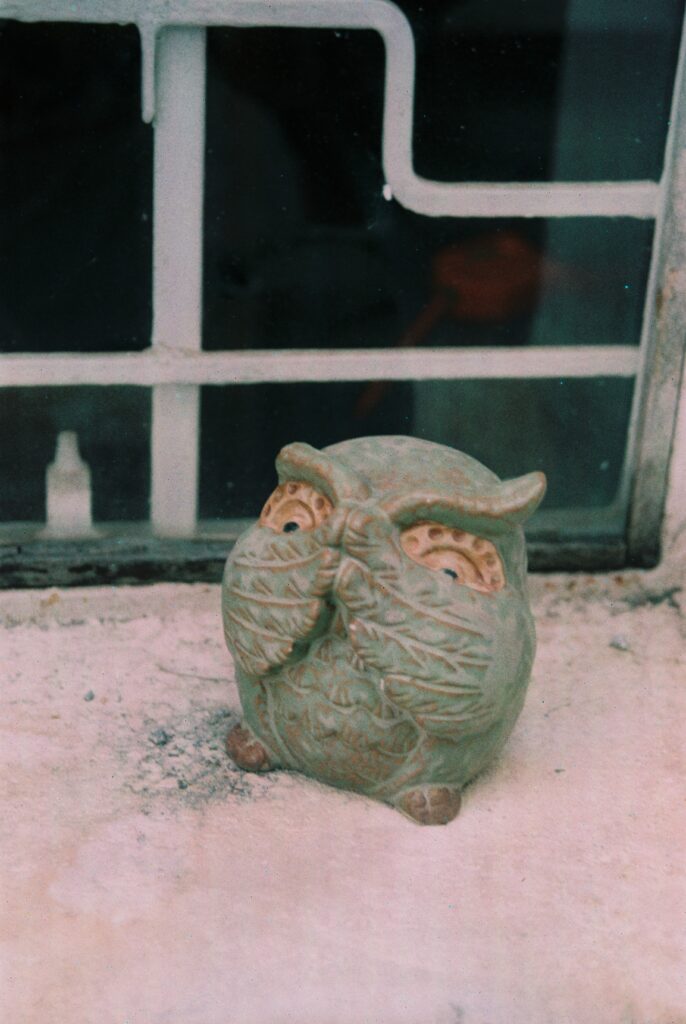
A photograph is often treated as the result of pressing a button, but the more important moment may happen just before that, when the photographer decides that something is worth keeping. The camera does not create this attention; it gives the photographer a way to respond to it.
One person may photograph a face in a crowd while another notices a reflection nearby, and both images can be honest because each began with a different relationship to the same scene.
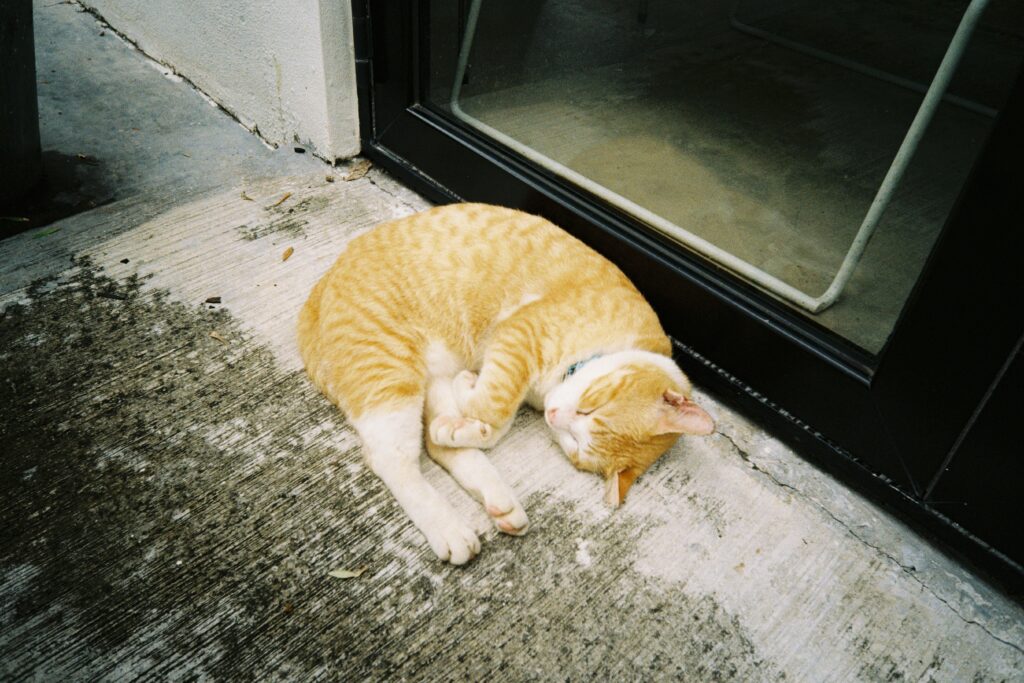
This is why an ordinary subject can still produce a meaningful image, since its value does not depend on being rare or dramatic. A photographer’s way of noticing can reveal something that other people would have passed without seeing, allowing a private moment of attention to become visible to someone else.
The image may show what caught your eye, but the deeper story begins when you ask why it mattered enough to make you stop.
Follow What Draws You In
FOTM Case #03: What Catches Our Eye invites photographers to follow their attention and explore the moments that interrupt an ordinary day. There is no fixed subject, because the investigation is not only about what you photograph; it is about understanding why you chose to photograph it.
You may begin with curiosity, surprise, or a detail that simply refuses to leave your mind. Instead of searching for something that looks important, allow your attention to lead you towards what already feels worth remembering.
Submissions close on 7 October 2026, so this is the final opportunity to add your perspective to the case. Visit fotm.zontiga.com for the full details and submission form.
The photograph is the result of stopping to look. The real investigation is understanding why you stopped.