I am not afraid of artificial intelligence. Nor do I believe photography needs
protecting from technology. Photography has always been shaped by technological
change, from glass plates to roll film, autofocus, digital sensors and computational
imaging. AI is simply another, albeit enormous, turn of that wheel.
Yet the easier it becomes to create an image, the more I find myself drawn back
towards something decidedly inconvenient: analogue film.
Perhaps that makes me old-fashioned. Worse, perhaps it places me among the
dreaded ranks of the photographic purist, polishing an old Leica while muttering darkly
about algorithms. But my attachment to film has little to do with believing that old
cameras are somehow superior. The camera itself matters less to me than what film
forces me to do.
It makes me look.
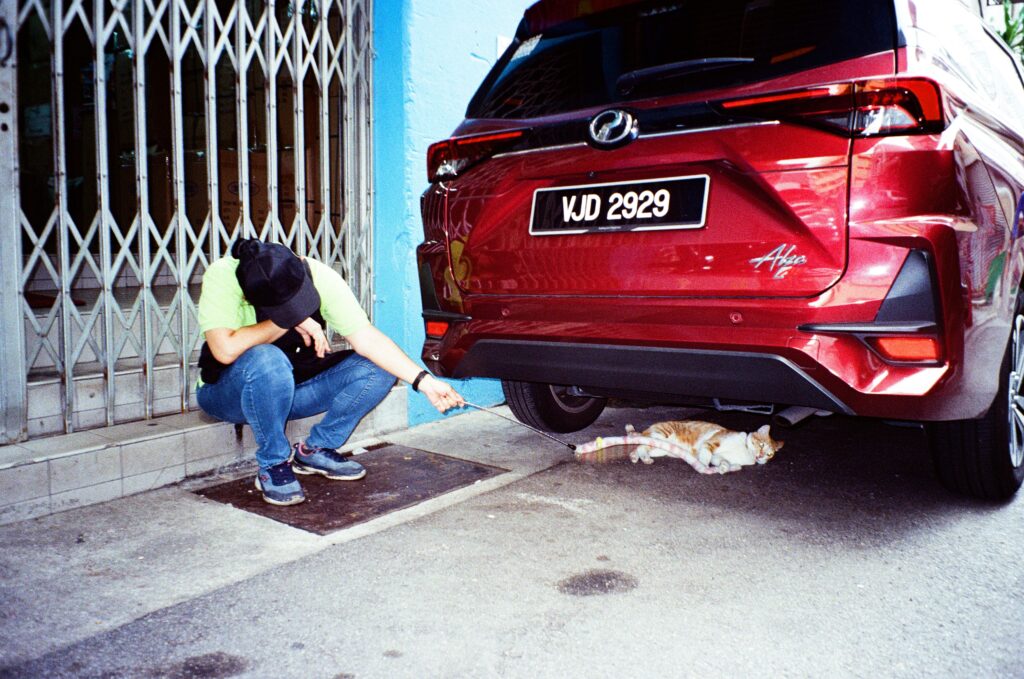
With film, light is not merely something I can correct afterwards. It is the raw
material of the photograph. I become more conscious of where it falls, where it
disappears and what exists between those two places. Darkness becomes as important
as illumination. Shadows are not necessarily defects waiting to be recovered.
Film stock adds another variable. Each emulsion has its own peculiar character,
sensitivity and response to the world. A slow film under hard sunlight behaves
differently from a faster stock wandering through fading evening light. Grain, contrast,
colour and exposure become participants in the photograph rather than imperfections
automatically waiting to be corrected.
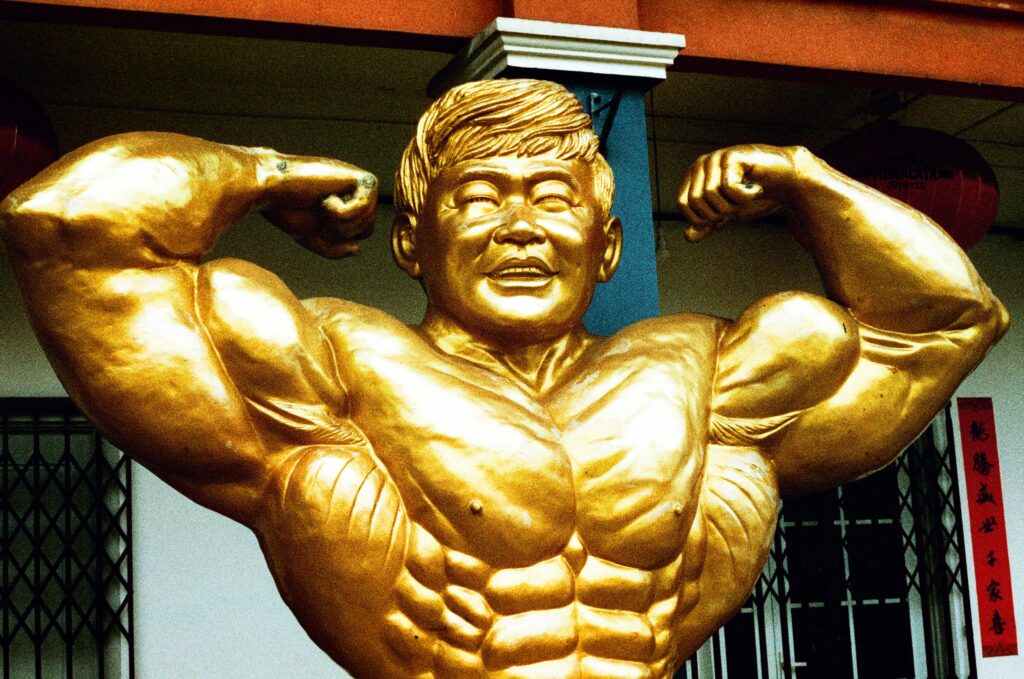
There is something wonderfully literal about “pushing” film too. Today we push
sliders across screens and ask software to recover shadows, extend backgrounds,
remove distractions or even imagine what might exist beyond the original frame. With
film, pushing means deliberately asking a physical material to operate beyond the
conditions for which it was designed. The consequences are visible. Sometimes
beautiful. Sometimes disastrous.
And importantly, not entirely reversible.
That uncertainty matters to me.
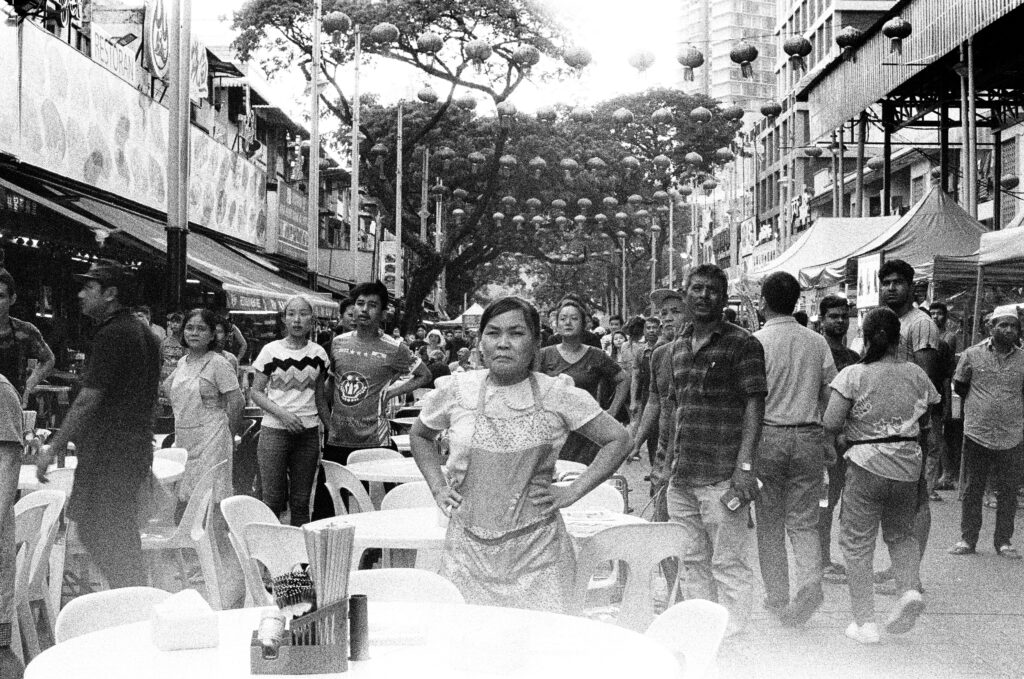
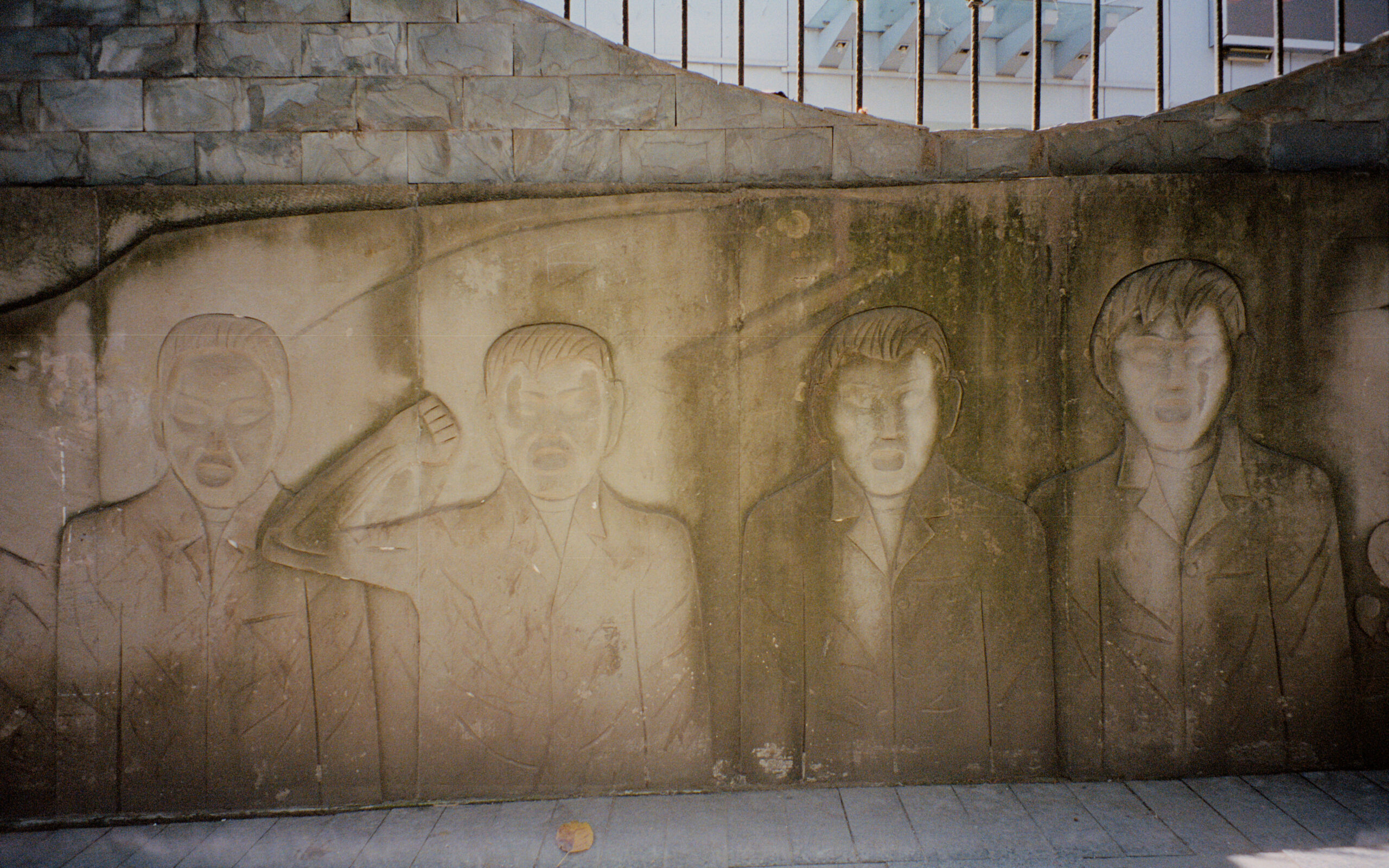
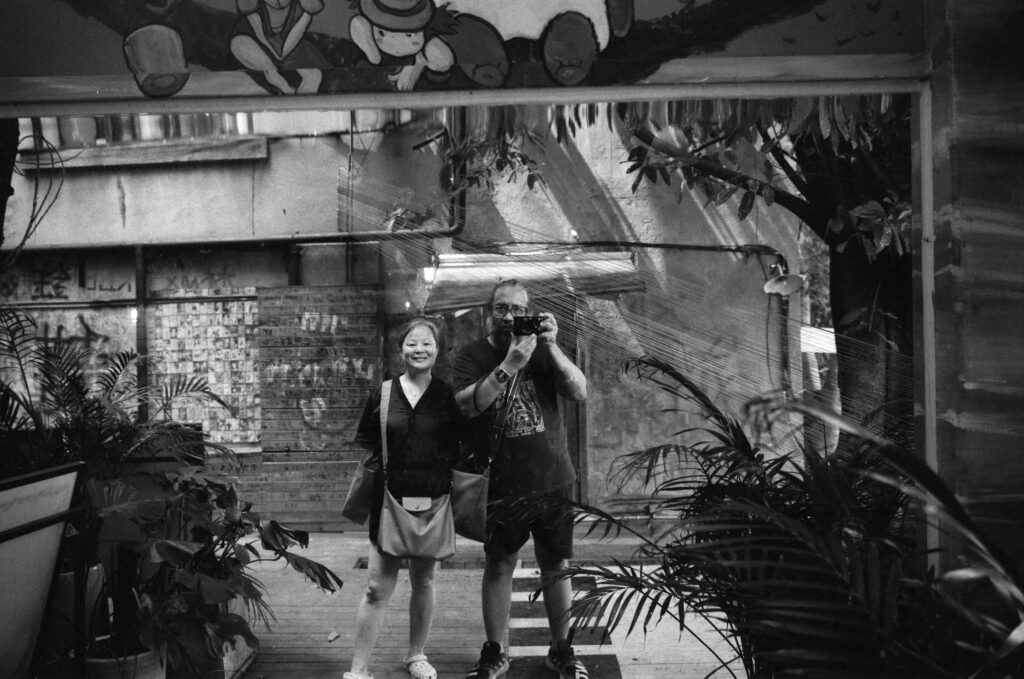
Photo taken with a Canon F1 and Ilford HP5 film +1 stop
Then comes development, when photography becomes almost alchemical. Light
that existed for a fraction of a second days or weeks earlier has altered a physical strip
of material. Chemistry reveals what was there, or what I hoped was there. Until that
moment there is anticipation, doubt and curiosity. The photograph exists, but I cannot
yet see it.
AI offers something almost opposite. Its possibilities are extraordinary. An image
can now be expanded, reconstructed, enhanced or created from language itself. I find
that fascinating rather than threatening. The boundaries of image-making are moving,
and pretending otherwise would be pointless.
But perhaps that is precisely why analogue photography has become more
valuable to me.
Film gives me boundaries.
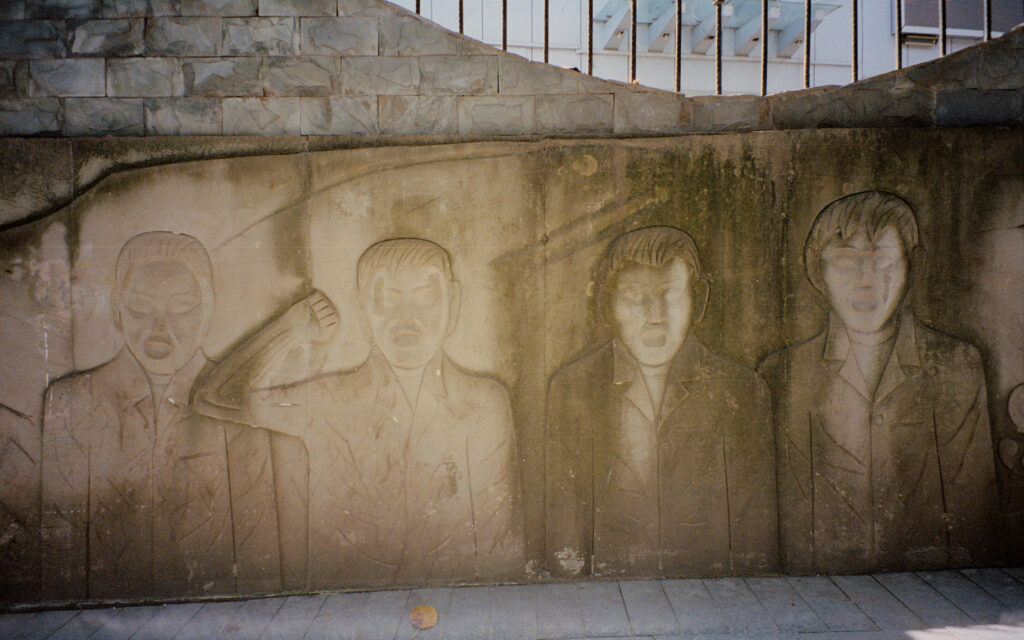
Thirty-six exposures. A fixed sensitivity. Available light. Chemistry. Chance. My
own judgement. Once the shutter falls, the moment is gone.
Those limitations are not obstacles to creativity. They are part of it.
I don’t shoot film because I want photography to return to the past. I shoot it
because I don’t want to forget what photography taught me in the first place: to observe
patiently, make decisions, accept imperfections and understand light before trying to
manipulate it.
In an age when almost anything can be generated, corrected or imagined, there
remains something quietly profound about allowing light to touch a piece of film and
leaving behind physical evidence that, for one brief moment, I was there.