There is a simple sentence behind what we do at Zontiga: We publish photography.
It is deliberately straightforward. Photography is not something we occasionally publish. It sits at the centre of what we do, and publishing is one of the ways we believe photography can continue to live beyond the moment a photograph is made. A photograph can exist as a print, on a gallery wall or on a screen, but a book creates another kind of space for photographs to be seen, sequenced and considered over time.
Zontiga is still a young publisher. Our first book was published in 2023, and we are still learning what it means to build a publishing programme, work with photographers, make decisions about editing and design, and eventually put a book into the hands of a reader. There are many publishers that have been doing this for much longer than we have. Among them, one that we return to often is AKAAKA Art Publishing, the independent Japanese publisher founded by Kimi Himeno in Kyoto in 2006.
For us, AKAAKA is something of a role model. Not because we want to become another AKAAKA, or because the photographic environment in Japan is the same as the one we are working within in Malaysia and Southeast Asia. It is precisely because our contexts are different that the comparison is interesting. What we admire is the commitment behind the publishing: the willingness to work closely with photographers, to take the photobook seriously as a form, and to publish work because it deserves to exist rather than simply because it is easy to sell.
From art publishing to photography
Kimi Himeno did not begin her career by setting out to create a photography publisher. She studied literature at Waseda University and subsequently spent around ten years at Seigensha, a Kyoto publisher known for its books on art, design and architecture. During those years, she became increasingly involved with photography and encountered the work of a younger generation of Japanese photographers.
In interviews and writings about the beginnings of AKAAKA, Himeno has described how encounters with photographers including Masafumi Sanai and Jin Ohashi in the 1990s changed her understanding of photography. What interested her was not simply the image itself, but the energy and possibilities she found in the work of photographers who were then still relatively young. Photography gradually became the area in which she wanted to concentrate her attention.
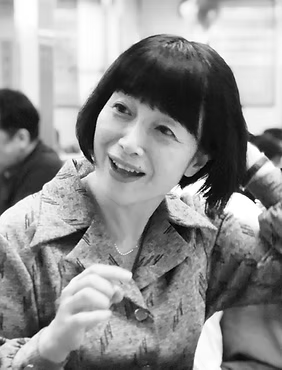
Eventually, Himeno decided to leave Seigensha and establish her own publishing company. AKAAKA was founded in May 2006, with Himeno as its representative director. Her reasons for doing so were both practical and personal. She wanted to focus on photography and contemporary art, work closely with living artists and have the freedom to develop books according to the needs of individual projects. She also expressed a more unusual motivation: she wanted to publish the kinds of photography books that were difficult to sell.
That last point is worth remembering. Photography books have never been the easiest publishing proposition, particularly when the work comes from an emerging photographer without a large existing audience. Starting a publishing house around photography therefore required a degree of conviction from the beginning. AKAAKA was not built around the idea that photography was an easy commercial category. It was built around the belief that some photographic work was worth publishing anyway.
A small publisher that kept growing
AKAAKA began as a remarkably small operation. In a speech in 2014, Himeno described the company as having started with herself and one other person. By that point, it had already published around 110 books, with more than 90 percent of its output focused on photography and contemporary art.
Two decades later, the scale of the catalogue is very different. Recent profiles of Himeno and AKAAKA put the number of books published at more than 250, while photography and art remain at the centre of the company’s activities. The growth is impressive, but perhaps more interesting is the consistency of the publishing direction.
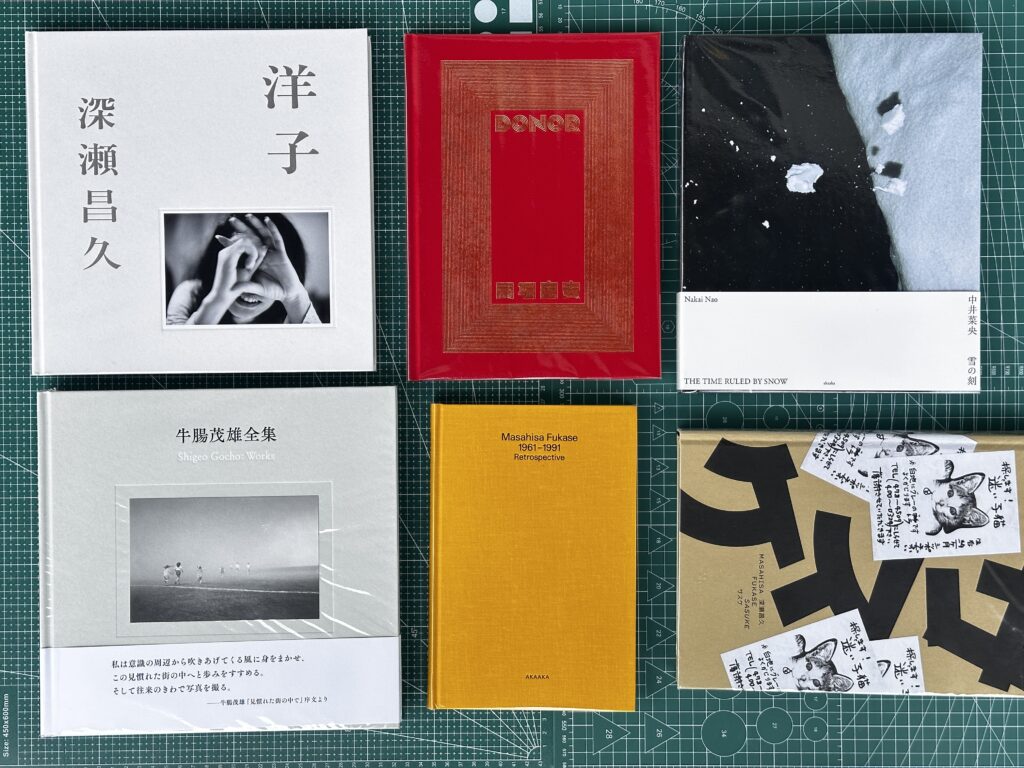
From the beginning, AKAAKA also had an international ambition. Its early catalogue described a desire to make Japan’s exceptional photographic culture more accessible to an international audience while remaining conscious of the country’s own photographic history. This gave the publisher an interesting position: deeply rooted in Japanese photography, but not confined to it.
That balance can still be seen in the catalogue today. Alongside contemporary projects are books that revisit important figures and histories. The result is not a catalogue built around one particular photographic style. Instead, it reflects an editorial interest in different ways of seeing and different possibilities for the photobook.
Supporting photographers before the awards
Some of the most recognisable names in the AKAAKA catalogue were photographers whose careers were still developing when the publisher began working with them.
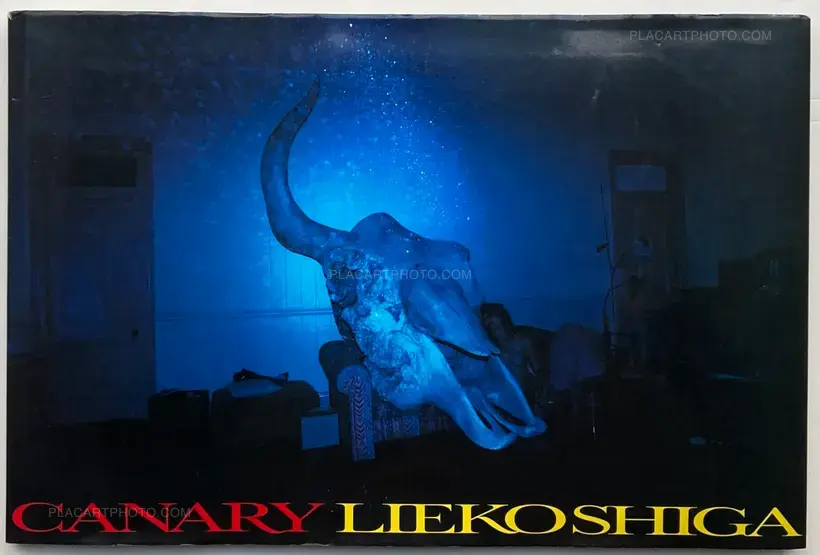
Lieko Shiga’s CANARY, published in 2007, is one of the best-known examples. The book subsequently received the 33rd Kimura Ihei Photography Award, one of Japan’s most important photography prizes. Atsushi Okada’s I am followed and received the award in 2008, while Masashi Asada’s Asada Family received it the following year. Kozue Takagi’s MID and GROUND were also associated with the award in 2010.
The catalogue continued to include photographers such as Arata Dodo, Ryuichi Ishikawa and Aya Fujioka, among many others. Looking at this history only through the awards, however, misses something important. The publisher had to make its decisions before those photographers became recognised by the wider photographic establishment.
That is one of the roles a good independent publisher can play. The publisher encounters work at a point when its future is still uncertain and decides that it is worth spending time, money and attention on it. Recognition may come later, but the book has to be made first.
This is particularly relevant to Zontiga because much of the work we are interested in comes from photographers and communities that are still developing their own audiences. Publishing can become a way of giving a project permanence and visibility at a particular moment in a photographer’s career, rather than waiting until everyone else has already decided that the work is important.
The photobook as part of the work
Another reason AKAAKA is interesting to us is its approach to the photobook itself. A photobook is not simply a collection of photographs placed between two covers. The sequence of images changes the way we read them, while the size, paper, typography, binding and physical structure of the book all contribute to the experience.
The same photographs can become a different work when they are edited and sequenced into a book.
This is one of the things that makes photobook publishing so rewarding. The publisher is not simply reproducing an existing body of photographs. There is an editorial and creative process between the photographer and the finished book, and that process can reveal relationships between images that might not be obvious when the photographs are seen individually.
AKAAKA’s catalogue demonstrates this in many different ways. Its publications range from relatively restrained books to highly considered objects in which materials, design and structure become part of the experience. Current and recent publications include Yoshiyuki Okuyama’s photographs, GOTO AKI’s terra | Landscape Topologies, Ana Scripcariu-Ochiai’s Vessels of Light, Yehlin Lee’s Undercurrent and Karen Sato’s Membrane.
What connects these books is not a common visual language. Instead, there is a willingness to allow the individual project to determine what the book should be. That approach is important because there is no single correct way to make a photobook. The form needs to respond to the work.
Looking backwards as well as forwards
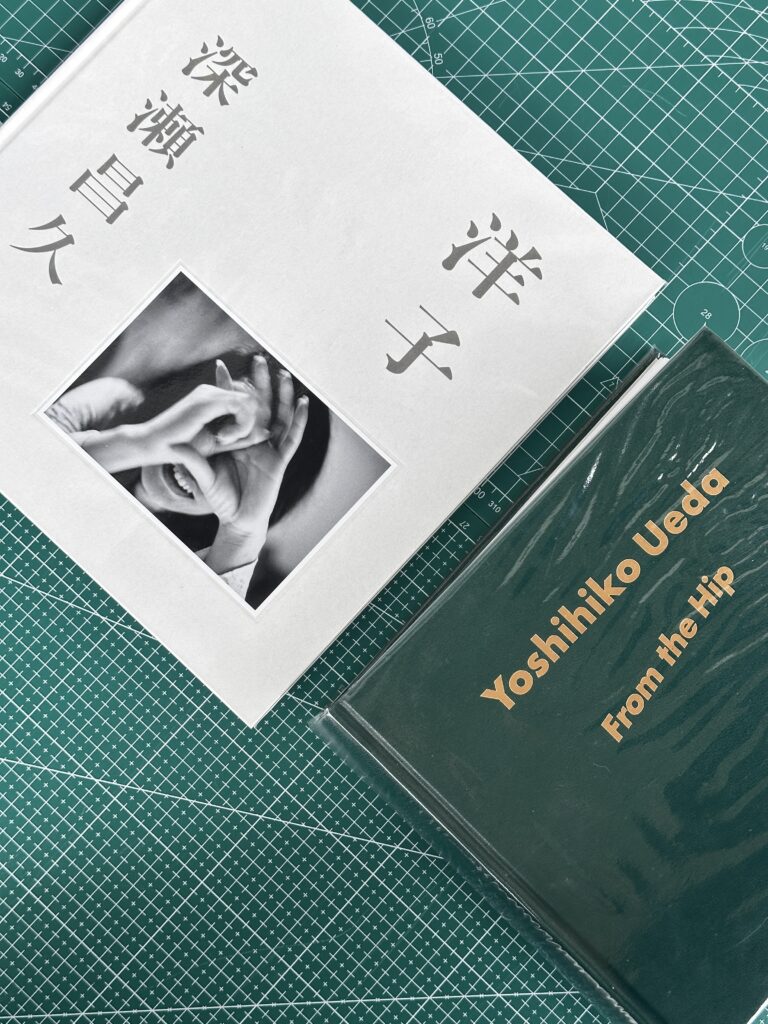
Although AKAAKA is strongly associated with contemporary photography, its publishing programme also demonstrates the importance of looking backwards. Publishing photography is not only about discovering what is happening now; it is also about deciding which work should remain available for future generations.
One recent example is Eiko Yamazawa’s My Modern, a new edition of work by one of the pioneering Japanese photographers associated with abstract photographic expression. AKAAKA has also published or republished work connected to important figures such as Masahisa Fukase and Yoshihiko Ueda.
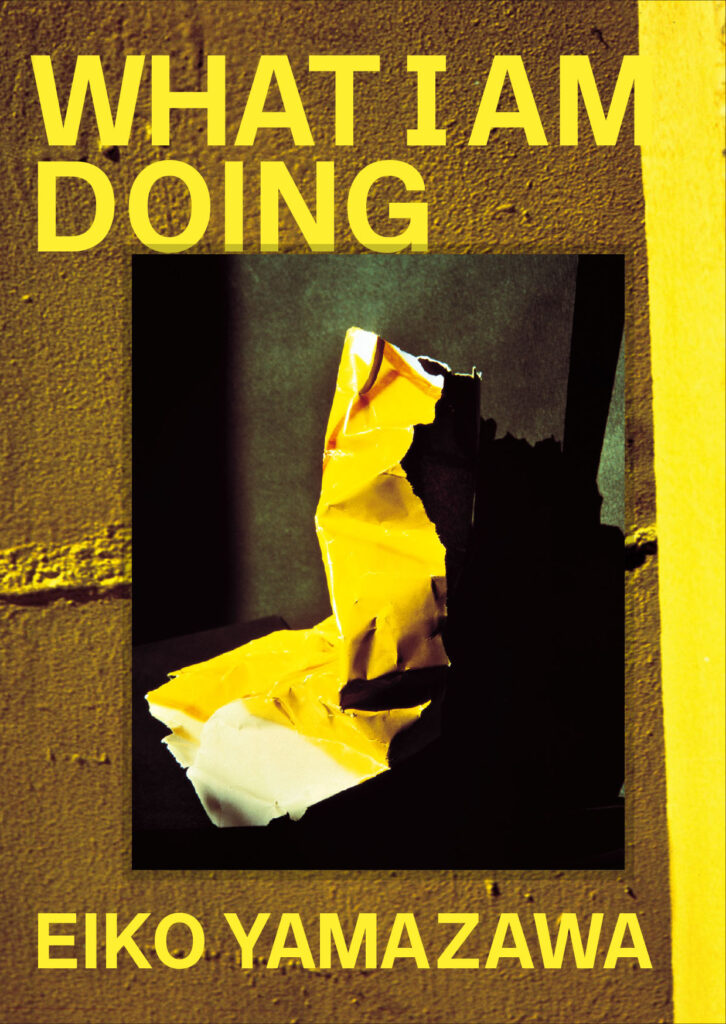
This archival dimension is particularly valuable in photography because photographic histories can easily become selective. Certain photographers become widely known, while others disappear from circulation. A book can change that. It can bring an earlier body of work back into view, allowing a new generation of readers and photographers to encounter it without having to rely entirely on exhibitions, archives or historical accounts.
In that sense, publishing is also a form of preservation. A publisher can introduce a new photographer to an audience, but it can also give an older body of work another life.
Why AKAAKA matters to Zontiga
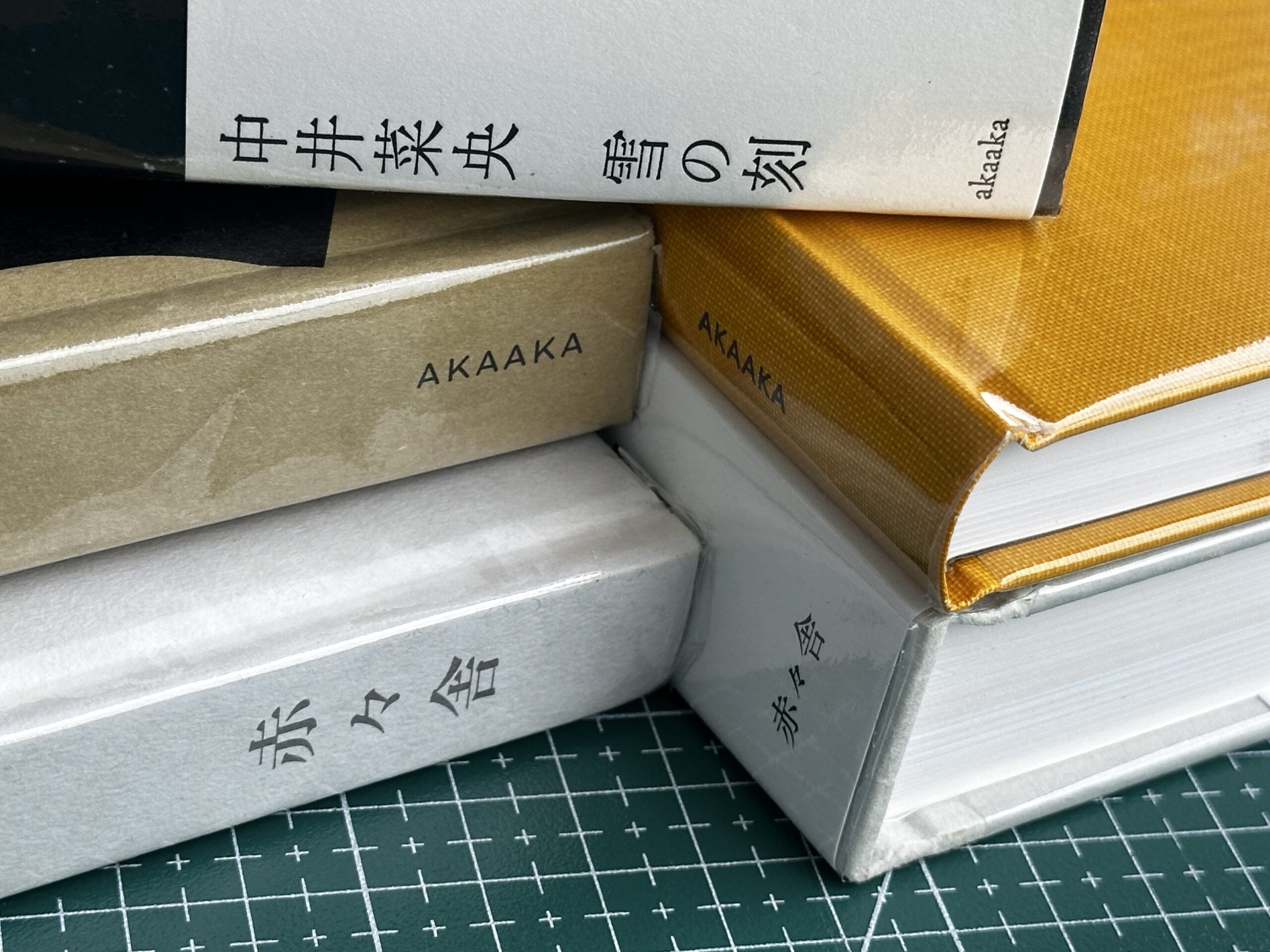
There are AKAAKA books on the shelves of Zontiga’s library and bookstore, which makes our relationship with the publisher more tangible than simply reading about its history. We encounter these books as readers, booksellers and publishers, and each perspective reveals something slightly different.
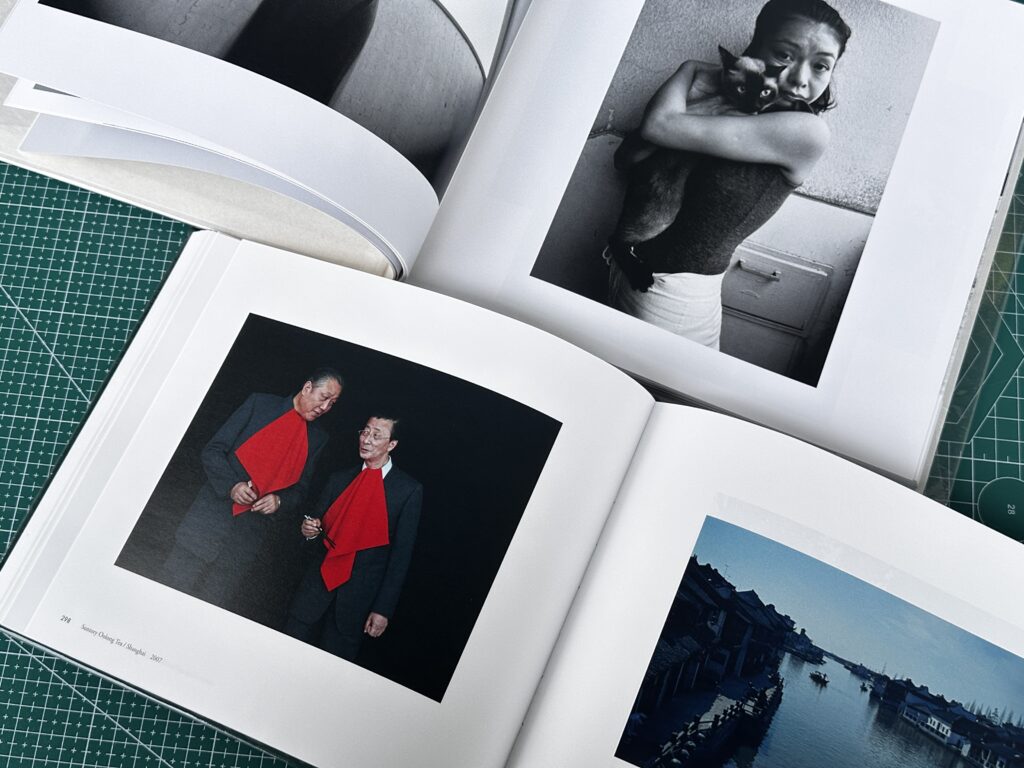
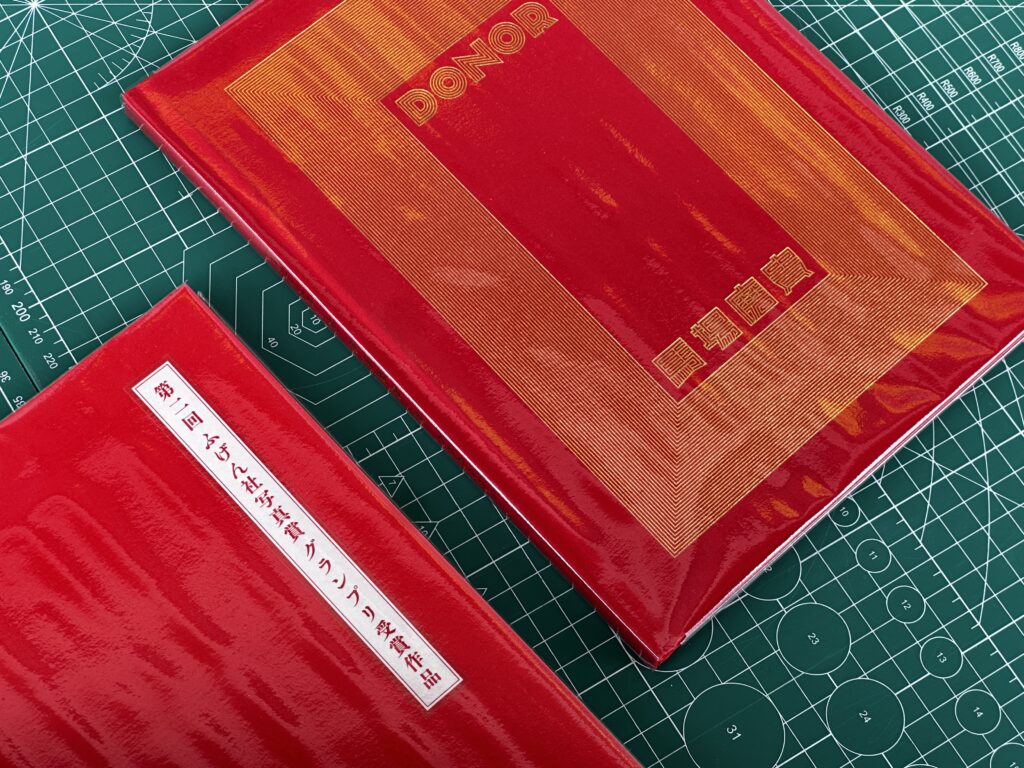
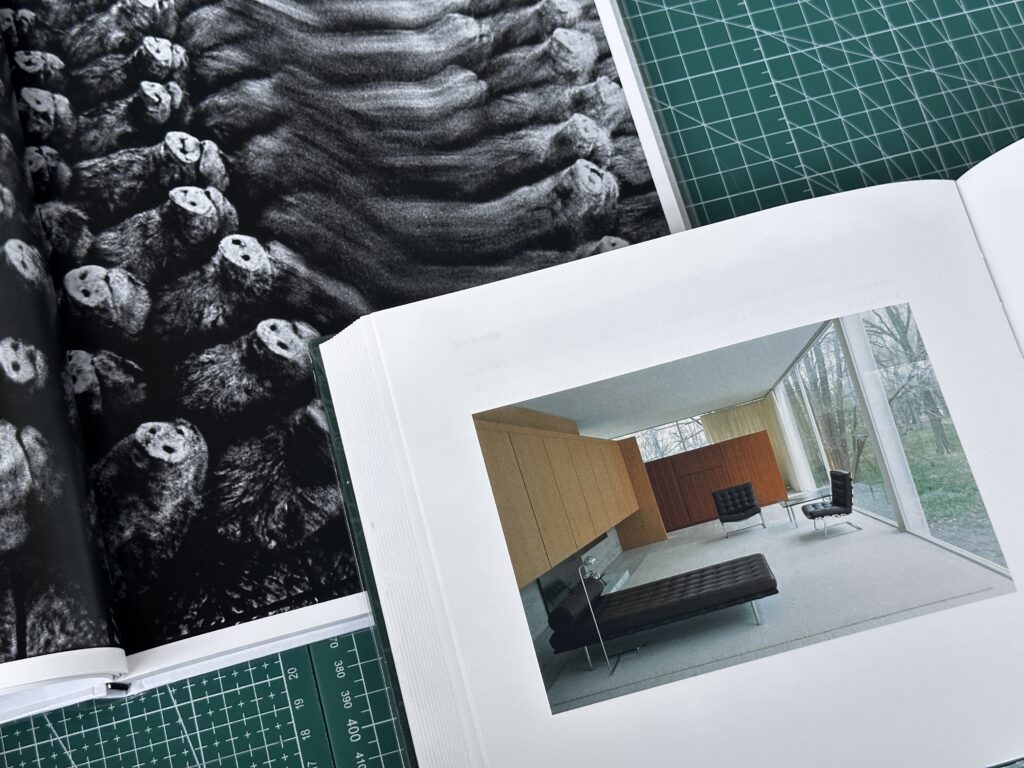
Sequence, scale, paper and the physical relationship between images all become part of the reading experience of Akaaka photobooks.
As readers, we look at the photographs and the ideas behind them. As booksellers, we see how people respond to them and which books remain interesting to readers over time. As publishers, we inevitably look at the decisions behind the object: how the work was edited, how it was sequenced, how it was designed and how the publisher worked with the photographer to arrive at the finished book.
That makes AKAAKA’s history useful to us as we build our own catalogue.
Zontiga is working in a very different environment. Our publishing programme grows out of Malaysia and Southeast Asia, and we are interested in giving space to photographers and photographic ideas from this region. Our community, resources and audience are different from those of a Japanese publisher operating within one of the world’s most developed photographic cultures.
We are not trying to reproduce the AKAAKA model. What we can learn from it is the importance of having a clear reason to publish.
For us, that means asking whether a photographic project has something that can be developed through the form of a book, whether it contributes something to the photographic community around us, and whether we believe it deserves to exist in a physical form that readers can return to. Sometimes the answer is obvious. Often it is not. Publishing requires judgement, but it also requires a willingness to take a chance on work that may not have an obvious commercial path.
Publishing what deserves to exist
This is perhaps the strongest lesson we take from AKAAKA.
There is no question that publishing needs to be commercially sustainable. Printing, distribution and storage all cost money, and an independent publisher cannot continue making books indefinitely without considering how those books will reach readers. But commercial considerations cannot be the only reason a photography book gets made.
If they were, much of the work that makes photographic culture interesting might never become books.
Himeno’s early desire to publish books that were difficult to sell captures this tension particularly well. It is not an argument for ignoring the market. It is an argument for leaving enough room for conviction.
That is something every independent publisher has to negotiate, and it is something we are learning ourselves at Zontiga.
Twenty years, and counting
AKAAKA has now been publishing for twenty years. From a small operation founded by Kimi Himeno in 2006, it has grown into a publisher with more than 250 books, working across generations, photographic approaches and geographical boundaries while maintaining a clear commitment to photography and contemporary art.
For us, the most impressive part is not simply the number of books. It is the sustained commitment behind them.
Twenty years is long enough to see photographers’ careers develop, photographic fashions change and publishing technologies evolve. It is also long enough to understand that building a photographic culture is a long-term process. Books made today may not reveal their full significance for many years.
Zontiga is nowhere near that point yet. Our first book appeared only in 2023, and we are still learning how to build a catalogue that reflects what we believe photography can be and what our community needs.
But looking at publishers such as AKAAKA helps clarify why we started.
Photography needs photographers, of course, but it also needs editors, designers, printers, booksellers, librarians, collectors and readers. It needs places where work can be seen and discussed, and it needs publishers willing to turn photographic projects into books that can travel beyond their original context.
AKAAKA has been part of that ecosystem for two decades.
Some of its books are now sitting on our shelves in Malaysia. We read them, sell them, collect them in our library and, perhaps inevitably, study them as publishers. They remind us that building a publishing practice takes time, that a catalogue is built one book at a time, and that the most important reason to publish is ultimately quite simple: there is work that deserves to exist.
We are still at the beginning of our own journey, but the principle remains the same.
We publish photography.
References & Further Reading
AKAAKA Art Publishing — Official publisher website, including its company history, catalogue and current publications.
akaaka.com
Kimi Himeno / AKAAKA — “The Story of AKAAKA” — Himeno’s own account of the publisher’s beginnings and her reasons for establishing the company.
AKAAKA: The Story of AKAAKA
AKAAKA Company Information — Official information about the company, including its founding in May 2006 and Kimi Himeno’s role.
AKAAKA Company Information
AKAAKA Publishing Catalogue — Current and past publications from the publisher.
AKAAKA Publications
AKAAKA English Catalogue — An earlier catalogue providing an overview of the publisher’s approach and early publications.
AKAAKA English Catalogue
KYOTOGRAPHIE — Kimi Himeno profile — Background on Himeno and AKAAKA’s publishing activities.
KYOTOGRAPHIE: Kimi Himeno