From Photographs to Publications
For this Reading Photographs, we shifted our attention from reading finished photobooks to something that happens much earlier: how photographs become publications in the first place.
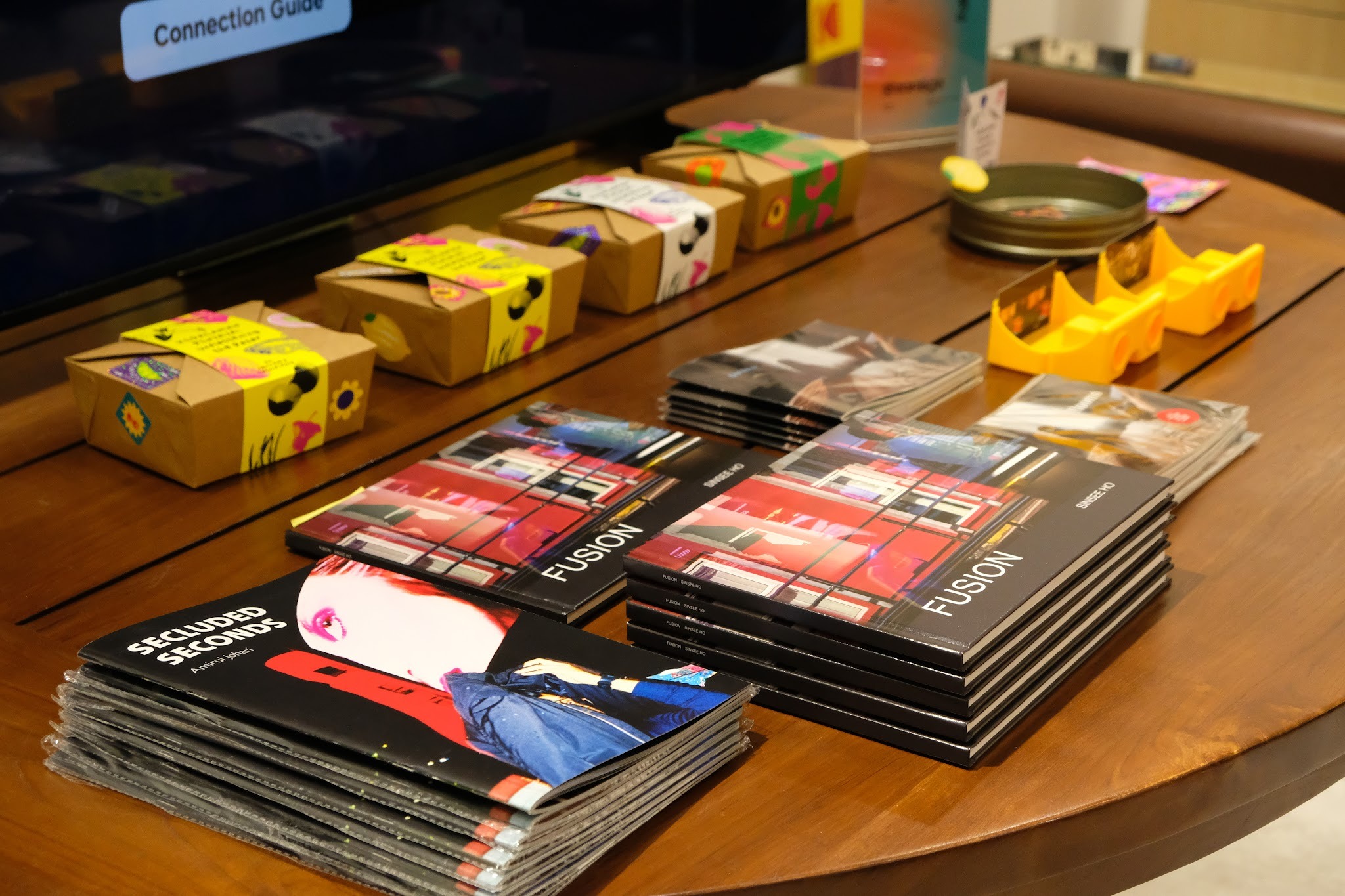
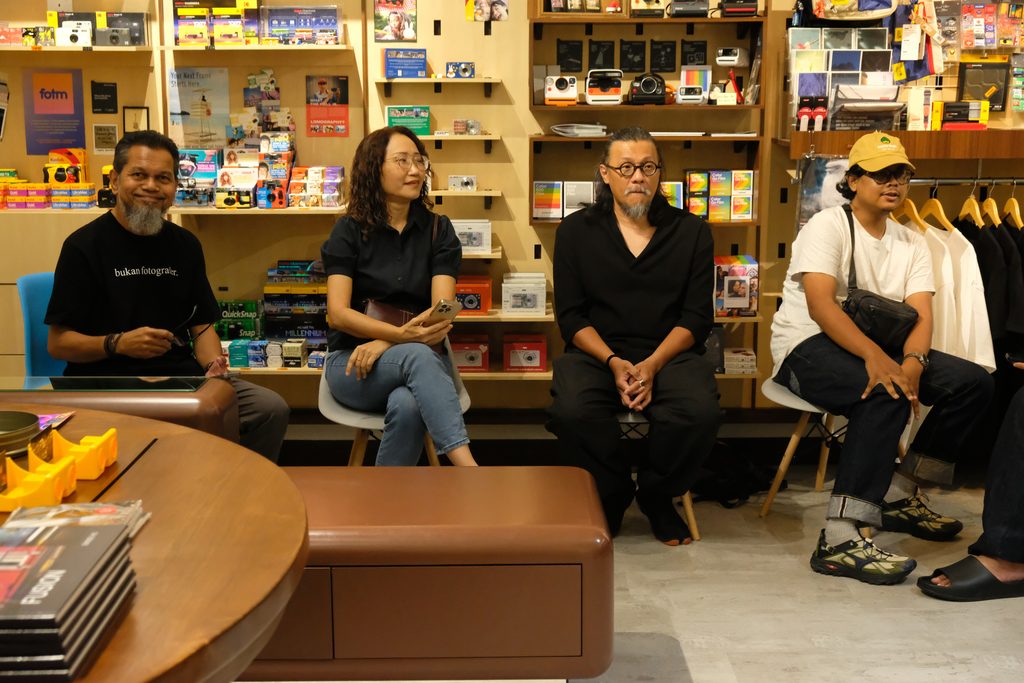
Five local photographers joined us with four recently published works: Azul Adnan with ROOMS, Amirul Johari with SECLUDED SECONDS, Sinsee Ho with FUSION, and Calvin Mak and Edmond Leong with KEDALAMAN PENJAJA. Each arrived at publishing through a different route, but together their experiences opened up a conversation about editing, sequencing, design, materials, collaboration, cost, and the many decisions that begin once a photographer decides that a body of work should exist beyond the screen.
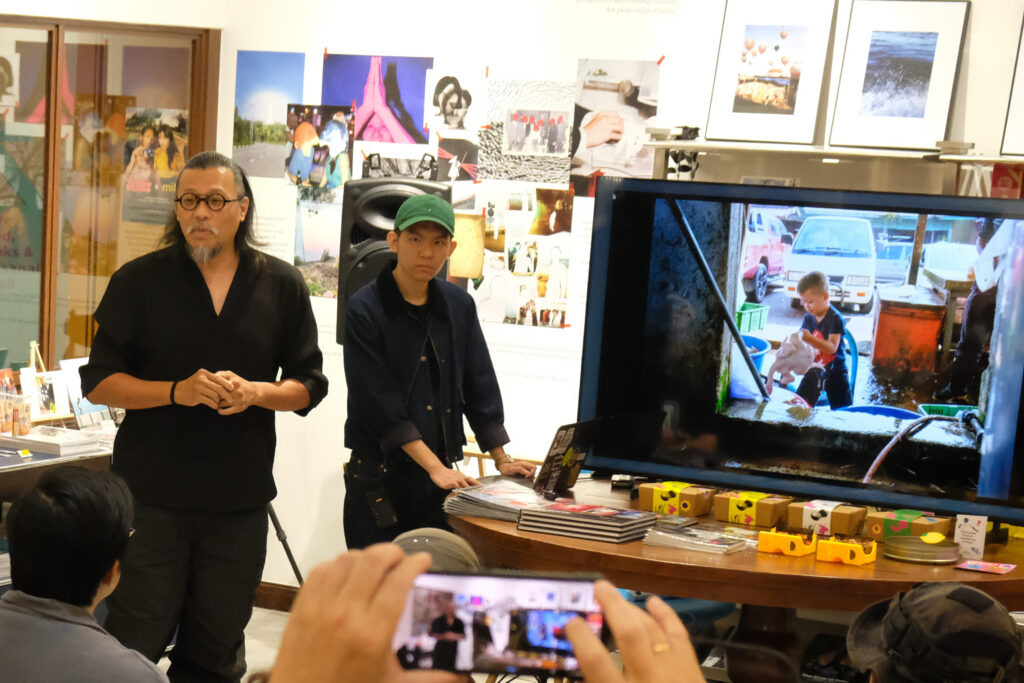
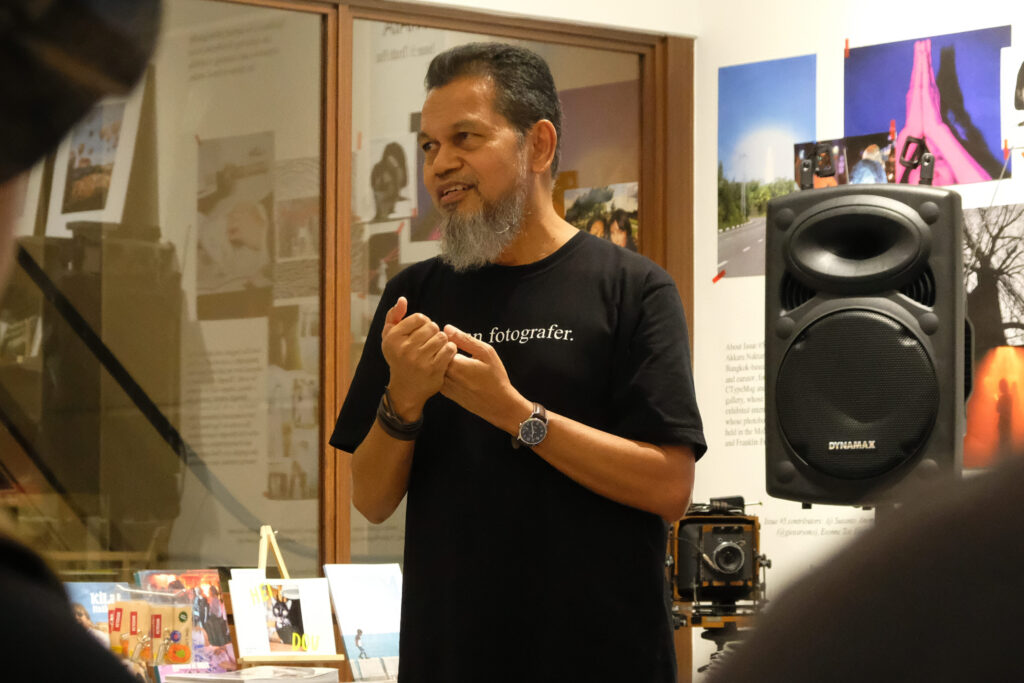
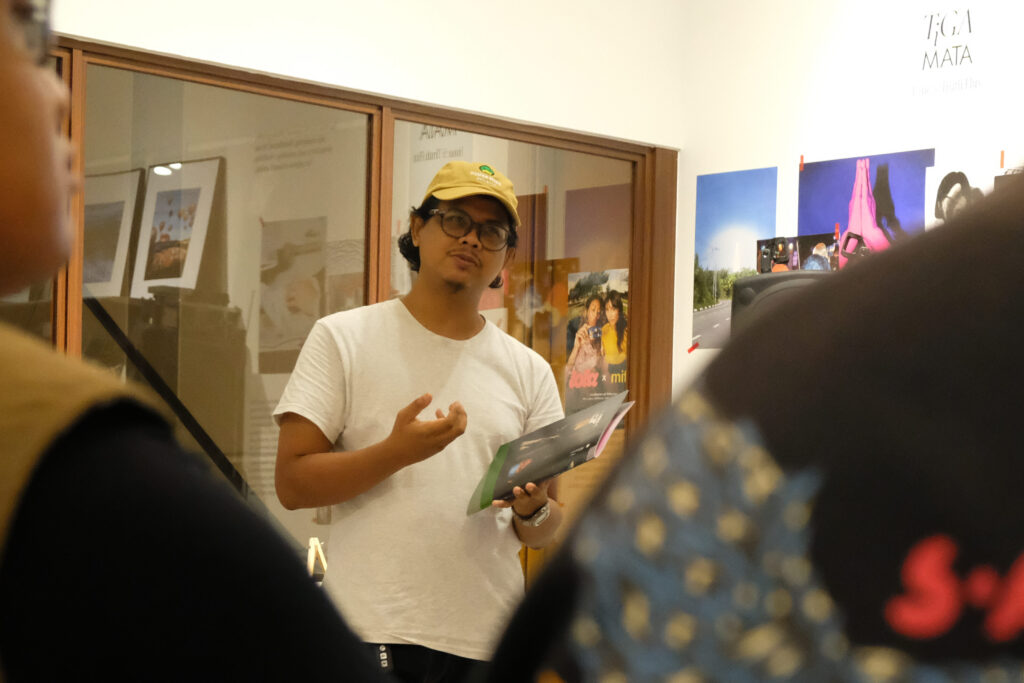
Azul began with ROOMS, taking us through the decisions behind sequencing a relatively small number of photographs. With only fourteen images, every placement mattered. He described dividing the sequence into two halves and deliberately spreading visually unusual photographs—an apartment or a glamping tent, for instance—across the publication rather than allowing similar images to gather together. Colour was considered in much the same way, avoiding too many bright images appearing consecutively and using changes in visual intensity to maintain the rhythm of the book.
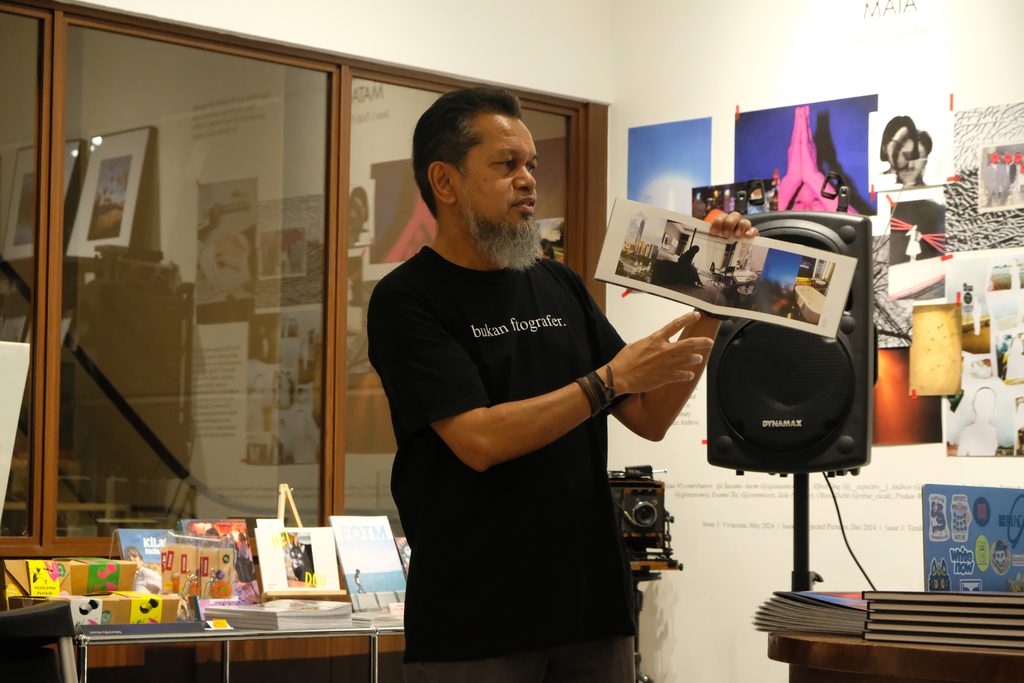
The discussion was a useful reminder that editing a publication is not necessarily about choosing the strongest individual photographs. An image that works powerfully on its own may not be the image a sequence needs. Once photographs are placed beside one another, their relationships begin to matter just as much as their individual qualities.
Even small physical details became part of the publication. Azul showed the custom cardboard key card produced as an insert for ROOMS, an object that extends the idea of the publication beyond its pages. He also spoke more broadly about maintaining control over one’s work. In an earlier project supported through a grant, editorial concerns had resulted in objections to particular photographs, including images of homeless individuals. The experience raised a question that would return throughout the session: what happens to a photographer’s intentions when other people become involved in bringing the work into the world?
For Azul, there was also a larger point about making photographs in the first place. Personal work cannot always be determined by how audiences respond to it. Publishing may involve thinking about readers, editors, bookstores and distribution, but the starting point still has to be the photographer’s own reasons for making the work.
Amirul Johari’s SECLUDED SECONDS approached the problem from almost the opposite direction. Rather than beginning with a tightly contained group of images, he had to find a publication within a much larger archive. He described working from roughly a thousand photographs, gradually reducing them to a broader edit before arriving at approximately thirty images for the final book.
The process revealed how difficult it can be to edit one’s own photographs. After spending so much time with an archive, photographers inevitably develop attachments to particular images and memories around how they were made. Amirul spoke about the value of bringing other people into the sequencing process, allowing another pair of eyes to notice relationships that the photographer himself might no longer see.
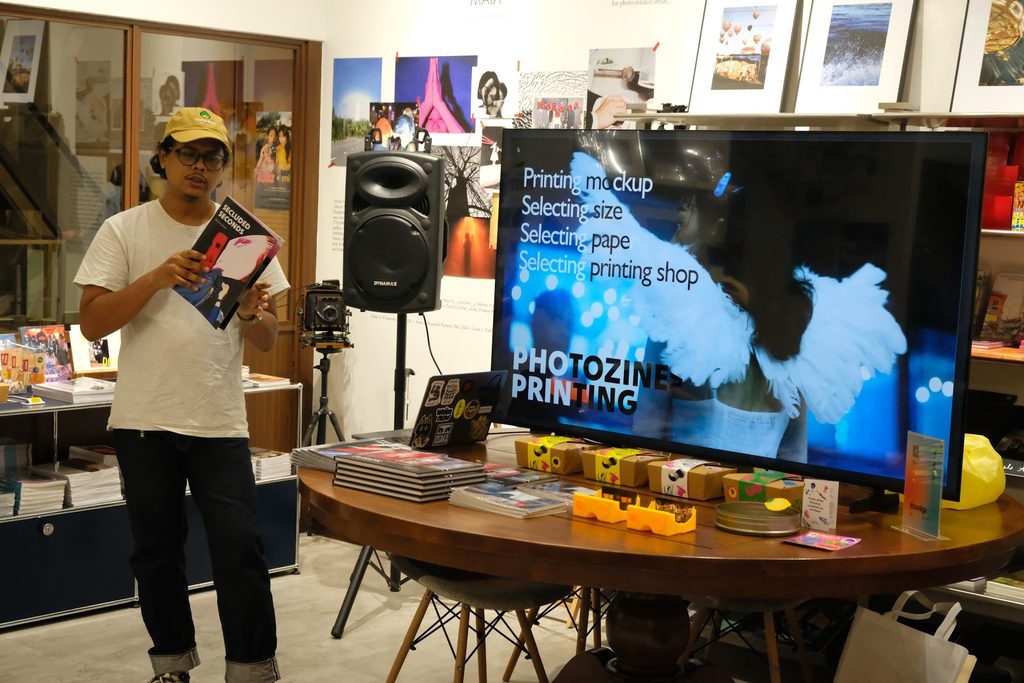
Format was equally deliberate. The generous scale of the publication and the choice of relatively straightforward simili paper were part of Amirul’s attempt to make viewing the photographs feel immersive without separating the book from the practical realities of producing it. His references to other photobooks also showed another important part of learning to publish: looking closely at how other photographers and publishers have solved similar problems.
If Azul’s fourteen photographs demonstrated how much attention can be given to a small sequence, Amirul’s experience showed the other side of editing: learning what to leave out. Hundreds of photographs may belong to the history of a project, but only a fraction of them may belong to the book.
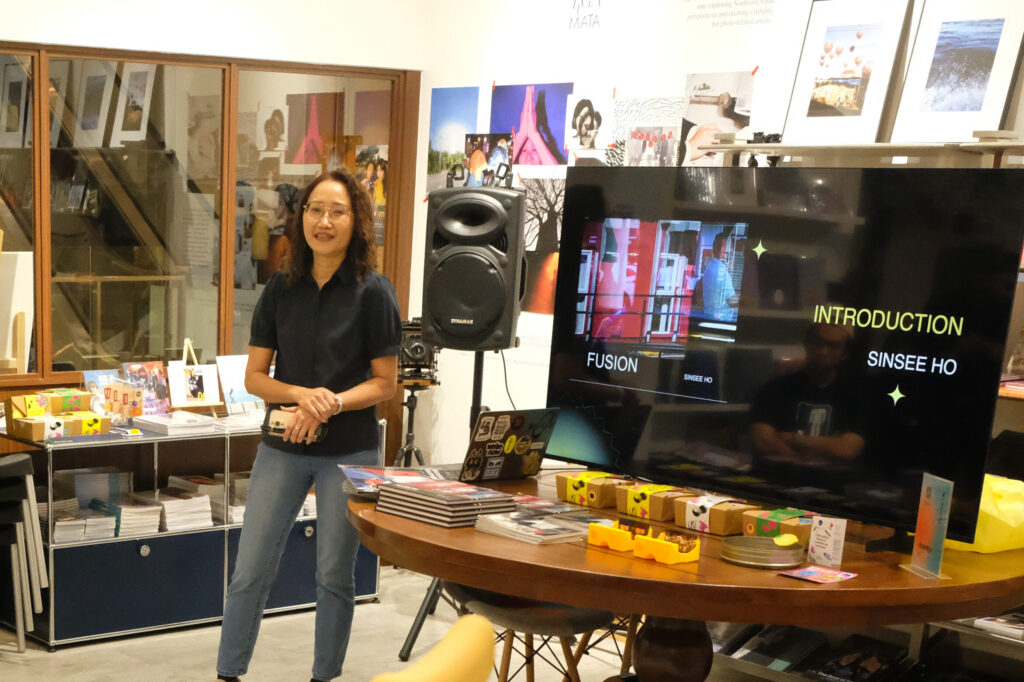
Sinsee Ho’s FUSION brought another perspective to the conversation. Built around her street photography in Kuala Lumpur, including photographs made through glass and reflective surfaces, the publication developed from a body of work that had already taken shape through earlier series and recognition before becoming a book.
Sinsee spoke about using certain photographs to anchor the publication—the cover, opening image and final image becoming important points around which the rest of the sequence could develop. She also incorporated quotations and epigraphs to establish a mood around the photographs. These decisions demonstrated that sequencing is not simply about determining which image comes after another. A book can create entrances and exits, establish a tone before the first sequence properly begins, and leave the reader with a particular image after the final page has been turned.
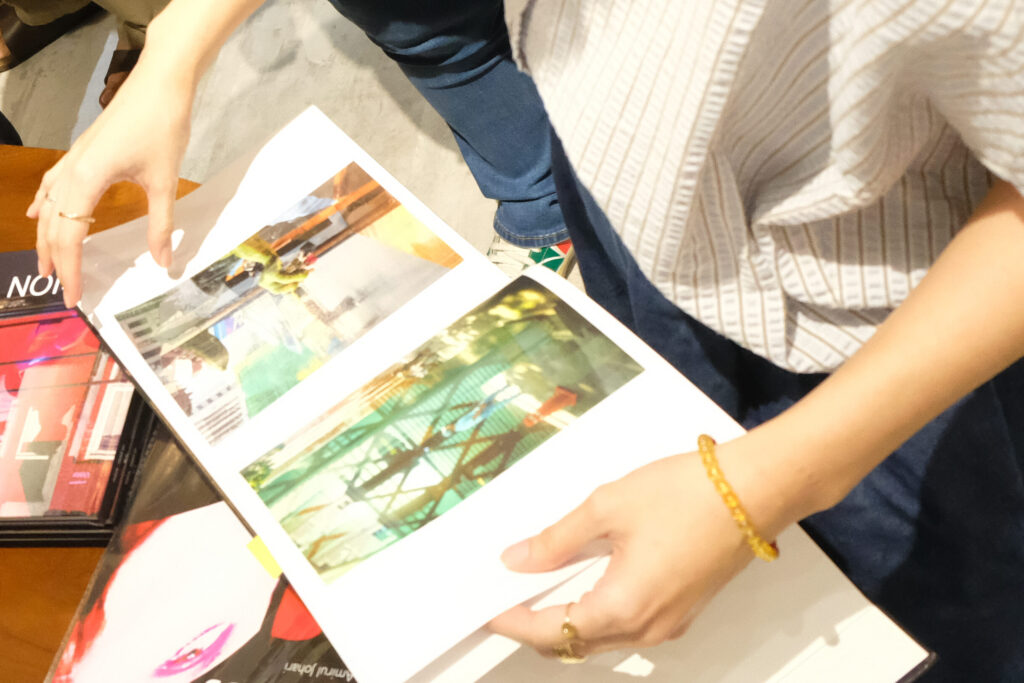
Her experience also brought the conversation toward production and distribution. Sinsee discussed using print-on-demand through Blurb, alongside smaller local print runs, as a way of balancing availability, cost and inventory. Print-on-demand makes it possible for a publication to remain available without boxes of unsold books occupying space, while local production can offer other possibilities in terms of cost, materials and accessibility.
It was another reminder that making a photobook does not end when the design is finished. A photographer eventually has to decide how many copies to make, where they will go, how much they can cost and how long the publication should remain available.
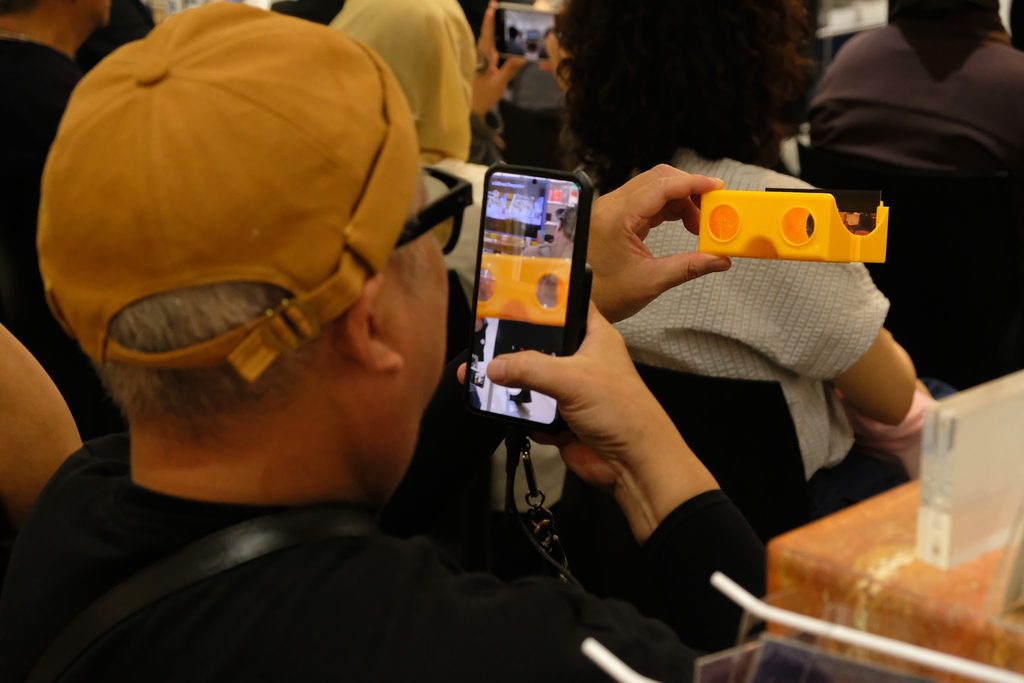
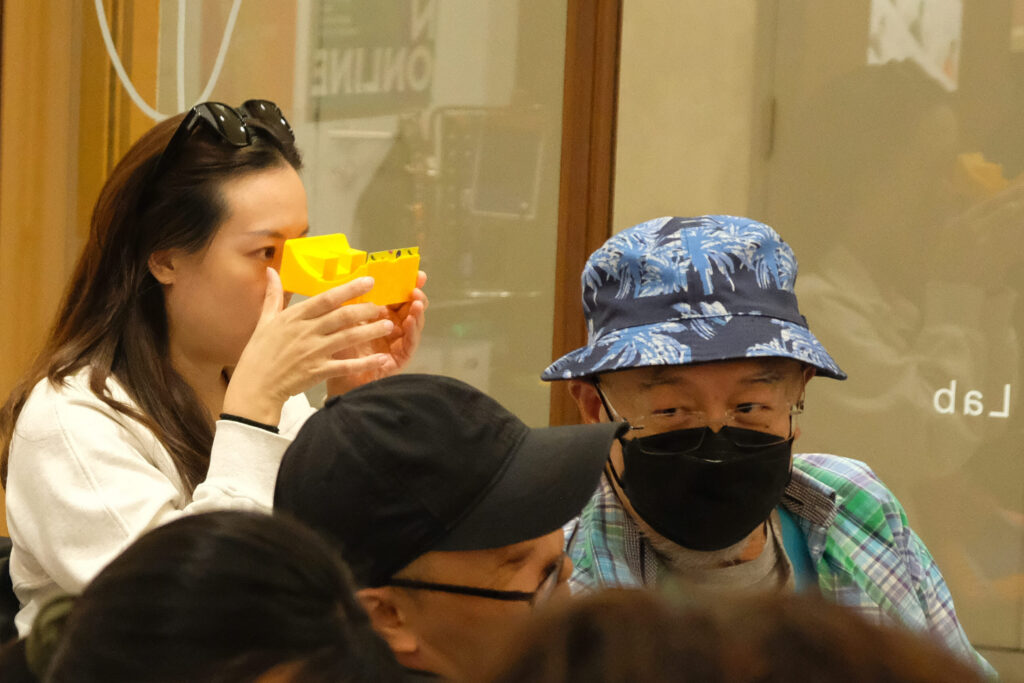
The final presentation pushed the definition of a photography publication somewhere else entirely. Calvin Mak and Edmond Leong’s KEDALAMAN PENJAJA documents Malaysian wet markets using a Fujifilm stereoscopic digital camera. Rather than presenting the resulting photographs in a conventional bound book, the project consists of forty photographic cards—twenty by Calvin and twenty by Edmond—together with stereoscopic viewers that allow the images to be experienced in three dimensions.
Even the packaging carries the subject of the work. The custom cardboard box takes its cues from familiar food containers, connecting the physical object back to the pasar that the photographers were documenting.
Looking through the viewer changes the experience considerably. Photographs that appear relatively ordinary as flat cards suddenly acquire layers of foreground and background. People, produce, tables and the narrow spaces of the market separate from one another. The act of viewing becomes physical: select a card, place it into the viewer, raise it to your eyes and look.
Calvin and Edmond also spoke about working together on the same subject while retaining different ways of seeing it. Rather than attempting to make their photographs visually indistinguishable, the publication allows those differences to coexist. One photographer might notice a sharper or more immediate moment while the other is drawn towards something quieter. Together, those perspectives build a more layered record of the pasar.
As the morning unfolded, practical questions kept returning. How many copies should a photographer print? How much should be spent on paper? Is an ISBN necessary? Should a book be produced locally or through print-on-demand? How much control does a photographer want to retain, and when is it useful to invite designers, editors or other photographers into the process?
There were no universal answers. Azul’s compact zine, Amirul’s larger-format book, Sinsee’s combination of print-on-demand and local production, and Calvin and Edmond’s box of stereoscopic photographs each arrived at a different solution.
Perhaps that difference was the most useful thing about seeing the four publications together.
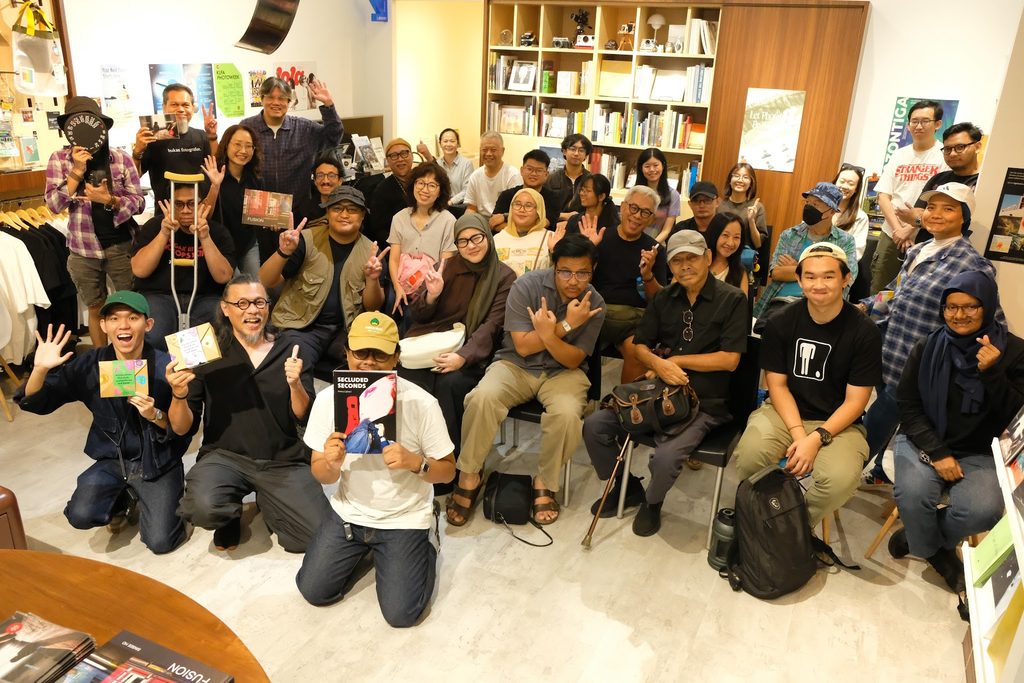
We began the session by asking what happens when a body of photographs becomes a book. By the end, the question had become slightly more complicated.
A publication is not simply the point at which photographs are printed and bound. Choosing thirty photographs from a thousand changes the work. Placing one photograph before another changes it. Making a book large enough to occupy someone’s field of vision changes it. Printing on inexpensive paper changes it. Putting photographs onto cards and asking someone to look through a stereoscopic viewer changes it again.
The publication becomes another stage of making photographs.
Perhaps that is also why there can never be a single formula for making a photobook. The form has to emerge from the photographs, the photographer’s intentions, the resources available and the experience they want to create for whoever eventually picks it up.
And for those of us gathered around the table that morning, being able to pick up these four publications while hearing directly from the people who made them made something else apparent: sometimes the best way to understand why a book looks the way it does is simply to ask about all the decisions that came before it.
Until the next Reading Photographs.
— Zontiga
Kuala Lumpur, September 2026