
From Pictures to Projects
Photography has long been understood through the power of individual images. Certain photographs become inseparable from the events they depict, while others remain with us because of a gesture, an expression, or a moment that seems to distil an entire experience into a single frame. Some have even changed the way we understand history itself.
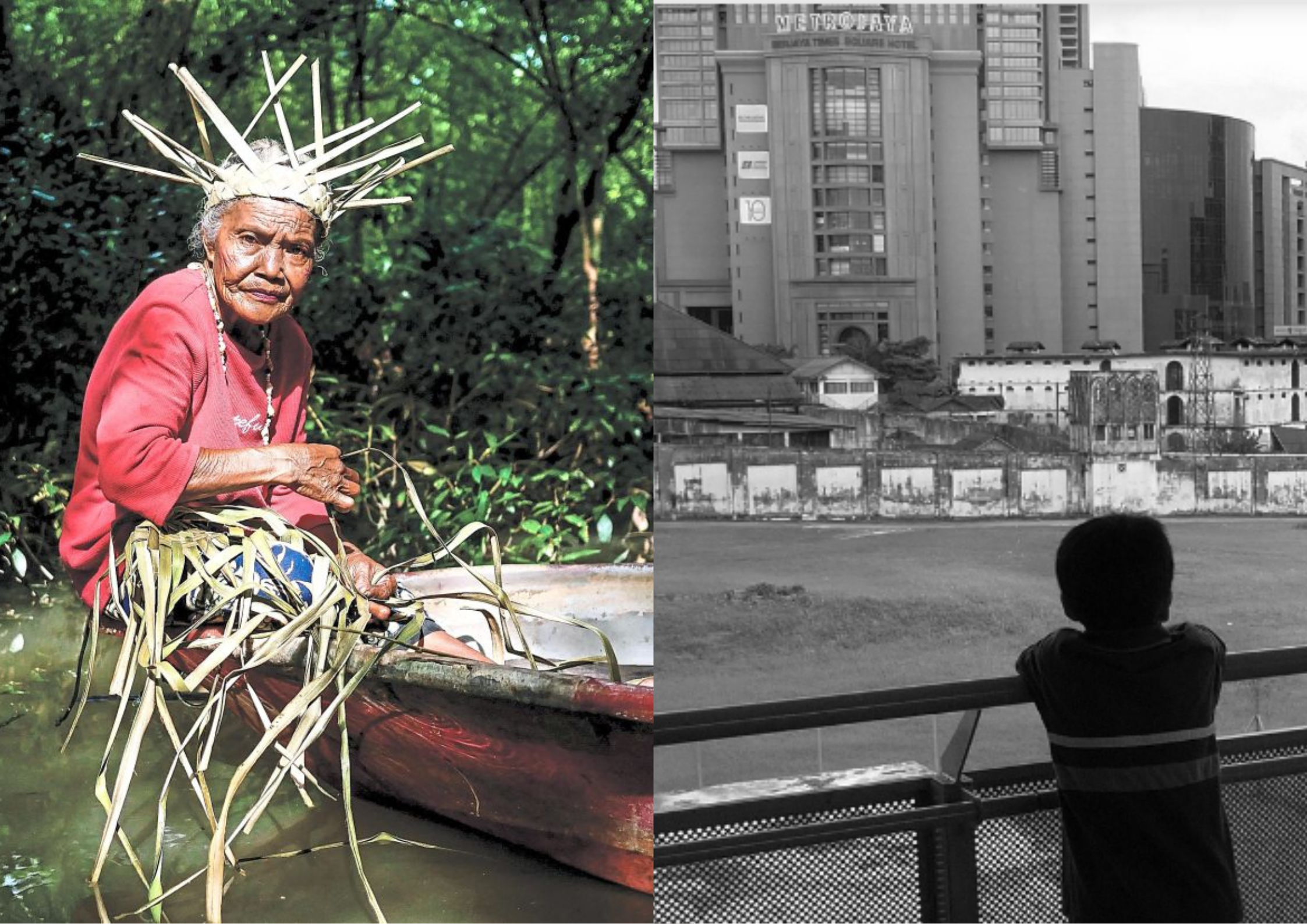
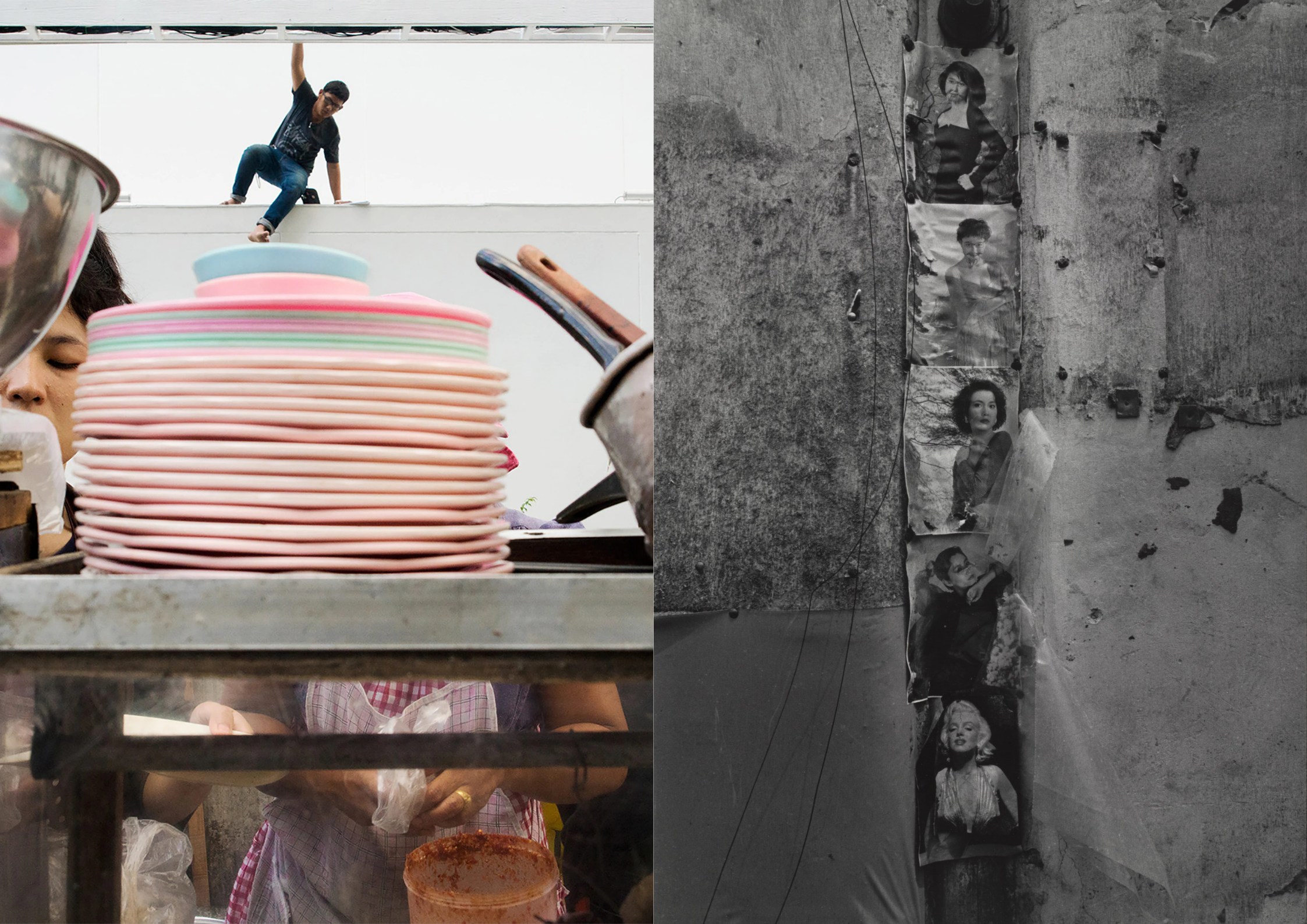
That way of looking at photography remains important. Yet across Southeast Asia and beyond, another way of working has quietly become more visible. Rather than searching for one defining image, many photographers are building long-term bodies of work that unfold over months, years, and sometimes decades. Photographs now exist alongside archives, family histories, personal writing, historical research, found materials, digital intervention, and experimentation. Meaning is no longer contained within a single frame. It emerges through relationships between images, sequencing, context, and time.
While working on Tiga Mata Issue #5, Truth Flux, we found ourselves returning to this observation. It was not because the issue set out to champion project-based practice. Instead, the submissions themselves revealed how many photographers across the region are already thinking in this way. The issue simply became an opportunity to recognise and embrace an evolution that has been quietly taking place for some time.
A Continuing Evolution
Describing Truth Flux as a turning point would not be entirely accurate. From the very first issue, Tiga Mata has published photographers whose work extended well beyond individual images. Looking back at Vivacious, Rejected Pictures, Tenderness, and Re(FRAMING) Identity, contributors were already exploring family histories, identity, communities, archives, memory, and social change through sustained projects. Project-based practice has always been part of the publication’s editorial DNA.


What feels different about Truth Flux is not that projects suddenly appear, but that they become a more deliberate editorial focus. Rather than presenting compelling photographs connected by a common theme, this issue gives readers more time with complete bodies of work. It invites us to understand not only what photographers see, but also how they think, research, experiment, and construct meaning over time. Seen this way, Truth Flux feels less like a departure than a natural continuation of conversations Tiga Mata has been nurturing since the beginning.
Eleven Ways of Thinking About Truth
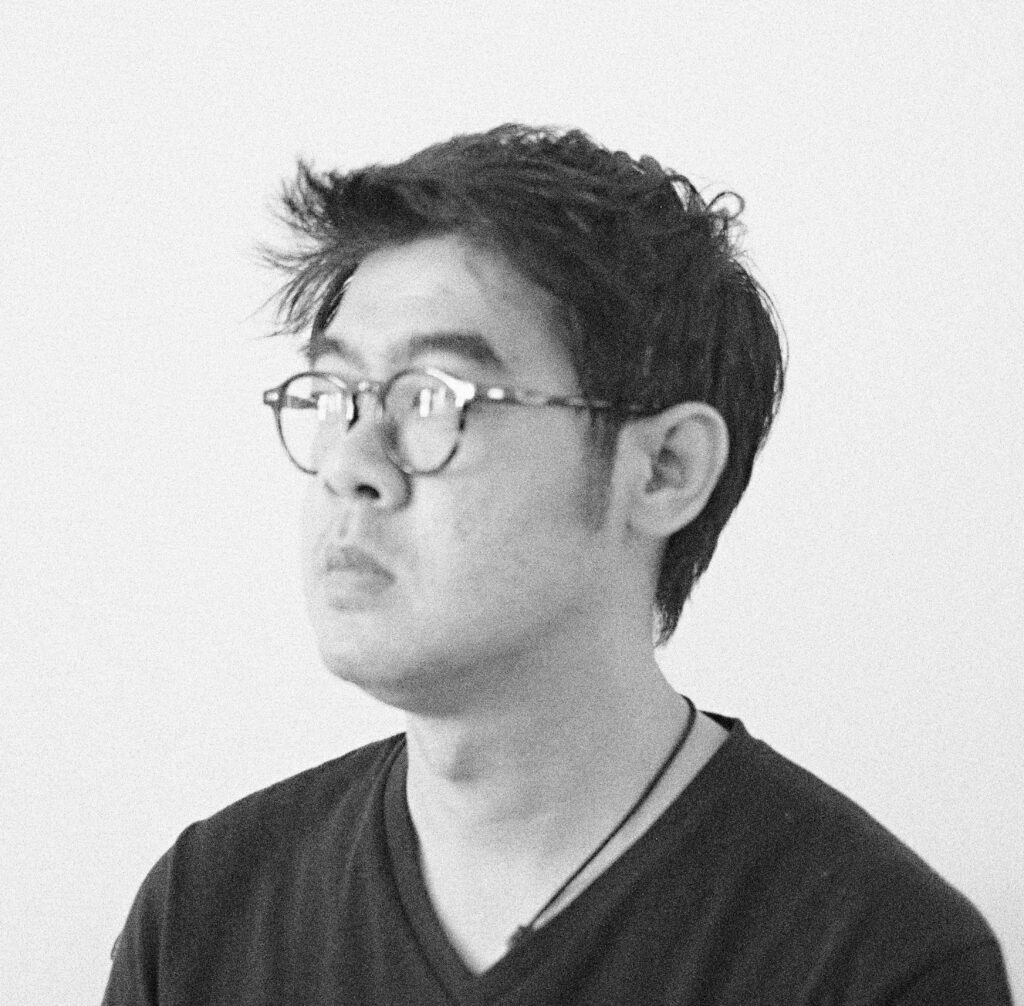
Guest editor Akkara Naktamna opens Truth Flux with a timely observation: photography no longer exists within a stable relationship with truth. Artificial intelligence, digital manipulation, memory, archives, and rapidly changing technologies have complicated the assumption that photographs simply record reality. Instead, they become places where documentation, imagination, interpretation, and fiction continually overlap.
The eleven featured projects do not attempt to resolve that uncertainty. Instead, they demonstrate how many different forms truth can take.
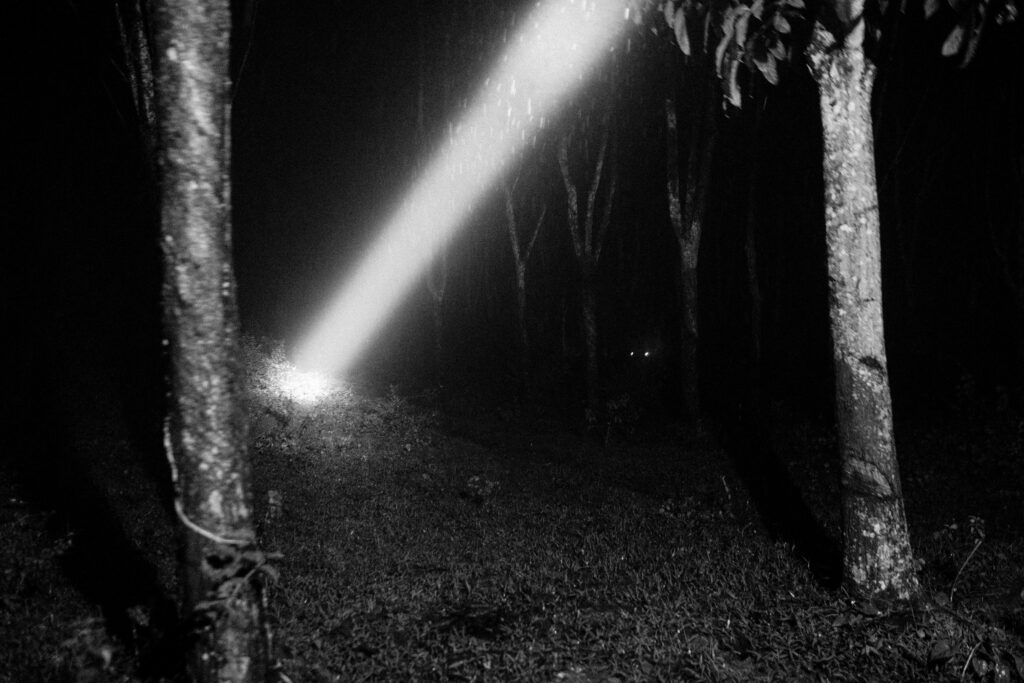
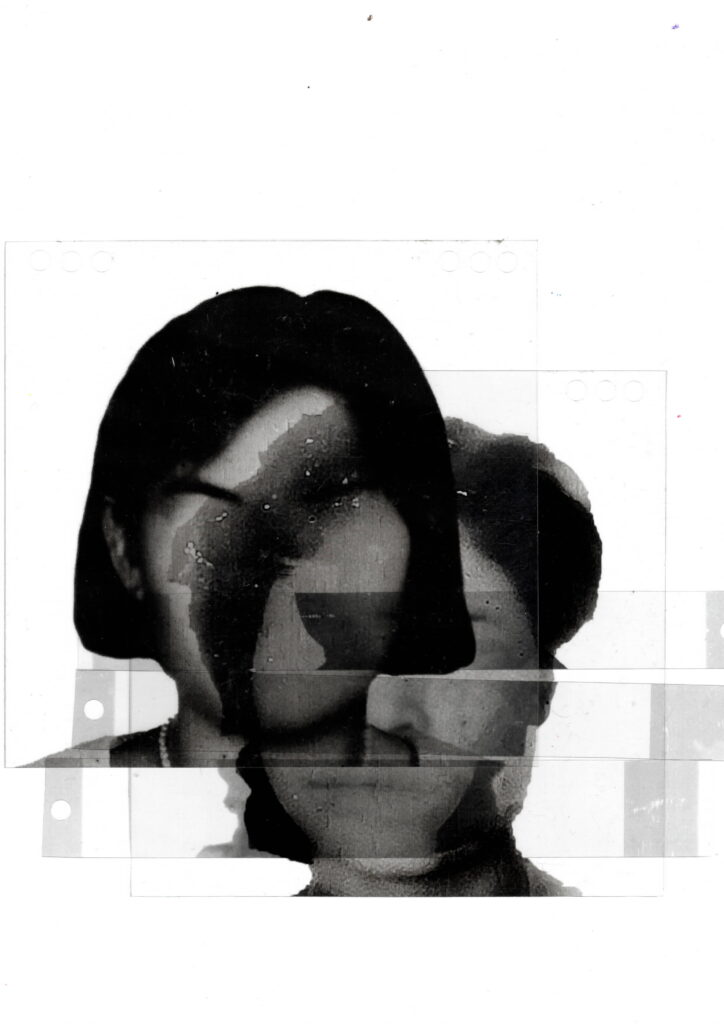
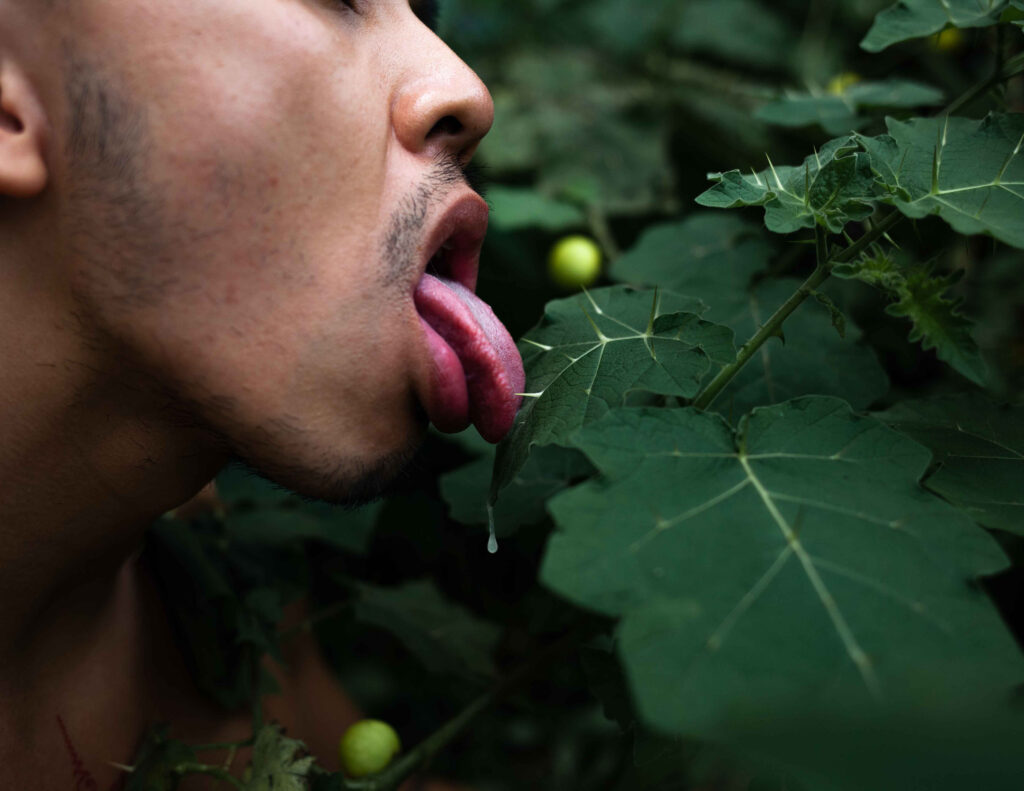
Christopher Gio Sarsono’s GETIH reconstructs a deeply personal relationship between father and son through archival photographs, newly created images, and family memories. Chai’s Finding the Rainbow begins with the absence of a photograph altogether, imagining multiple possible portraits of a grandmother who was never photographed. Andrew’s How Must I Live? turns toward self-portraiture, inherited family archives, and intimate rituals to explore identity, trauma, and belonging.
Other contributors begin with mythology, spirituality, documentary observation, urban transformation, performance, or digital intervention. Together, the projects suggest that truth is never singular or fixed. It is assembled, questioned, revised, and continually reshaped through lived experience.
Diversity Beyond Geography
Since its inception, Tiga Mata has sought to celebrate the diversity of photography across Southeast Asia. That diversity is often understood geographically, through different countries, cultures, languages, and histories. Truth Flux reminds us that diversity also exists in the ways photographers think.
Some artists begin with archives, while others begin with performance. Some work through documentary observation, while others embrace reconstruction, speculation, or visual experimentation. Their subjects differ, but so do their methodologies, their questions, and their ways of making photographs. The issue therefore becomes more than a collection of voices from across the region. It becomes a conversation between different artistic approaches to photography itself.
Slowing Down
This shift toward project-based practice also asks something different of the viewer.
We live in an environment where thousands of images pass before our eyes every day. Social media rewards speed, immediacy, and constant novelty. Images appear, disappear, and are quickly replaced by the next.
Photographic projects invite another pace. They ask us to spend time following an artist’s train of thought, to notice recurring ideas across multiple images, and to allow meaning to emerge gradually rather than instantly. Many of the projects in Truth Flux simply cannot be experienced through a single image shared online. Their meaning lies in sequencing, pacing, relationships between photographs, and the conversations that develop across a series of pages.
In many ways, Truth Flux is not only about contemporary photography. It is also about why printed publications continue to matter.
Continuing the Conversation
Looking back across the first five issues, Truth Flux does not represent a break from what came before. Instead, it brings into sharper focus an editorial direction that has been quietly developing since the beginning.
Tiga Mata has always been interested in photography that asks questions rather than provides easy answers. Whether exploring vitality, rejection, tenderness, identity, or truth, each issue has invited photographers to examine not only the world around them, but also the medium through which they experience it.
What Truth Flux demonstrates is that many of today’s most compelling photographic conversations are unfolding through sustained bodies of work—through archives, memory, experimentation, sequencing, and ideas that take time to reveal themselves. By giving these projects more room to breathe, we are not changing what Tiga Mata stands for. We are continuing the journey that inspired its creation: building a platform where contemporary photographers across Southeast Asia can share ambitious, thoughtful, and deeply personal work, while inviting readers to slow down, engage more deeply, and become part of that conversation.
If there is one thing Truth Flux reminds us, it is that photography is no longer only about individual pictures. Increasingly, it is about the relationships that emerge between images, the questions that unfold across time, and the ways photographs continue to shape our understanding of ourselves and the world around us.
Perhaps that is where contemporary photography is heading. Not away from the single photograph, but toward projects that ask us to spend more time looking, thinking, and questioning. We hope Truth Flux becomes part of that continuing conversation.